Car keys · Six Points
Motorcycle & Scooter Keys in Six Points
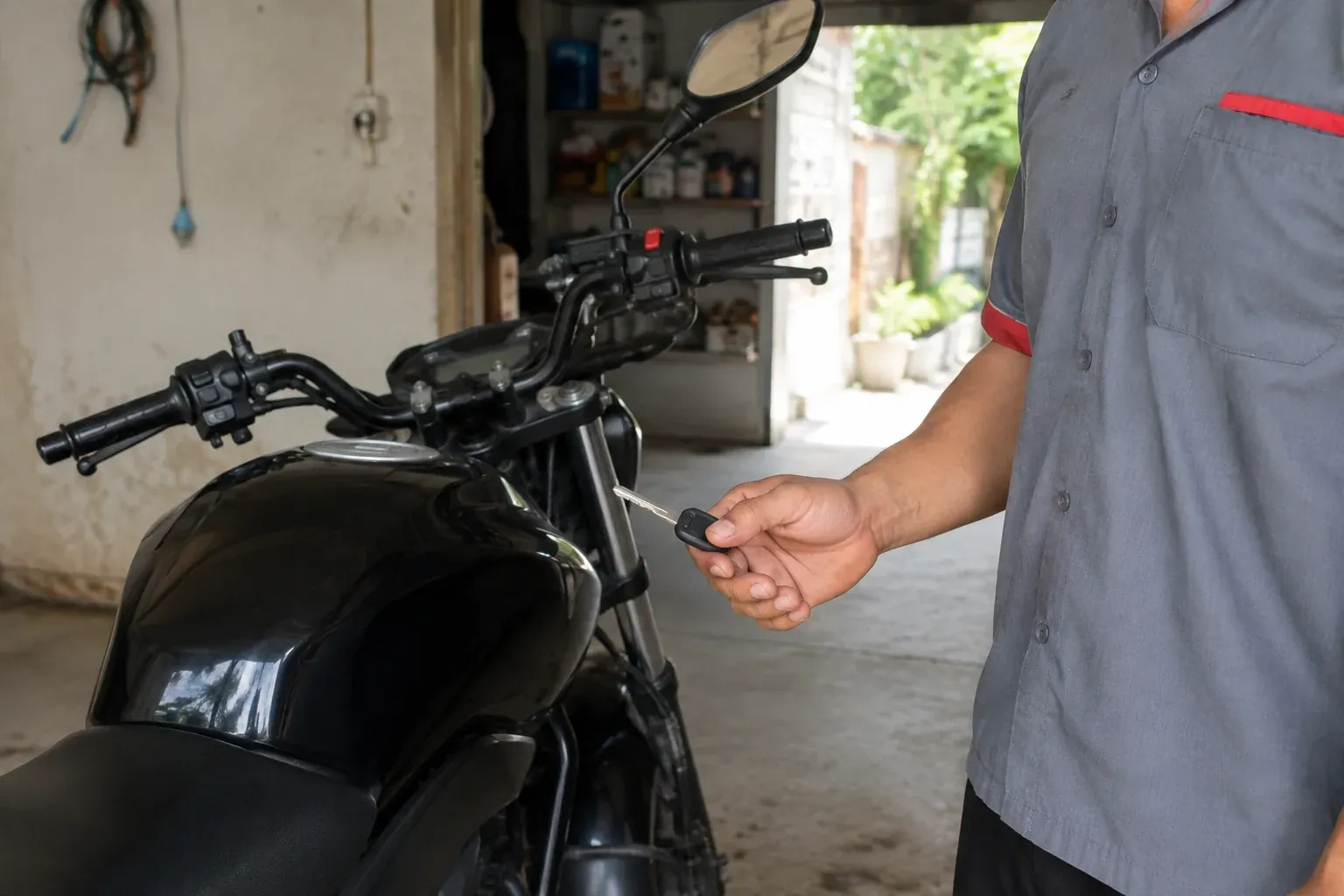
After a winter under a cover, the steering lock will not budge. The key seats fully in the barrel, but turning it meets a wall of resistance that no amount of wiggling moves past.
Call now · open 24/7(289) 804-7704In plain words
A machine bought without a full history often arrives with one worn key and no idea what, if anything, opens the seat or the fuel cap. Key service in that situation starts by identifying every lock on the machine and testing whichever key came with it against each one, then decoding or cutting whatever the existing key does not already cover. The result is a full, known set of keys for the machine rather than a single blade of uncertain origin.
How the visit goesThe dash lights come on, the starter cranks, and the engine simply refuses to catch, though the same key has run this bike since it was new. It could be the key and ignition module no longer agreeing, or an ordinary fuel or ignition fault sharing the same symptom.
Motorcycle & Scooter Keys · Six Points
How the visit goes
- 1
Checking for an immobiliser
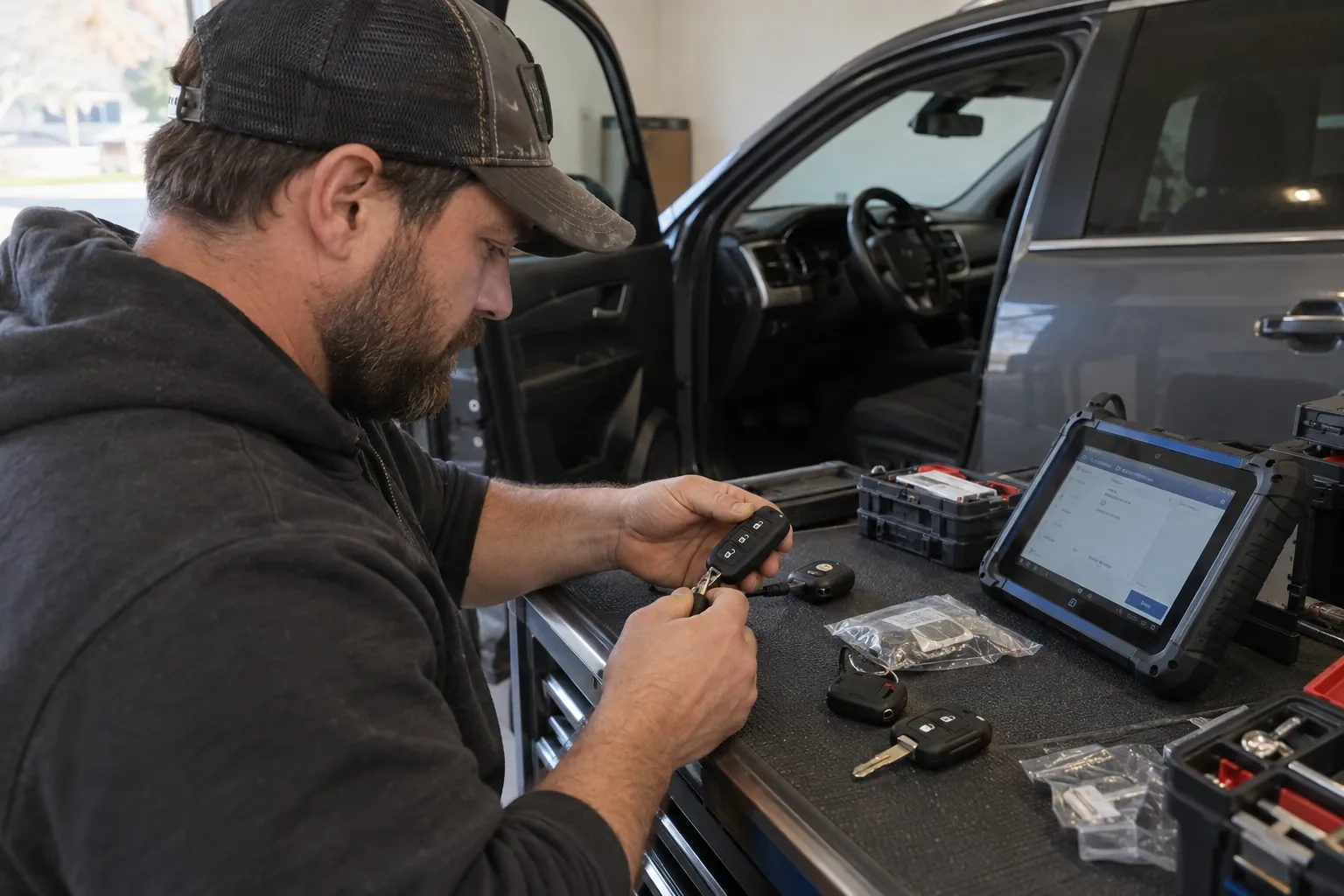
Many machines built in roughly the last two decades carry an electronic layer alongside the mechanical lock: a small chip inside the key that the ignition module checks before allowing the engine to run. The locksmith looks for a coil or ring around the ignition barrel, checks whether the dash shows a security alert with the current key, and asks whether the engine cranks without starting, which can point to a chip that is missing, damaged or unpaired, though ordinary fuel, ignition and compression faults produce the same symptom and are checked too. This decides whether the job is a straightforward cut or one that also needs transponder programming.
- 2
Testing before handover
Every finished key is tested on the actual machine before the visit ends, not just checked against a code on paper. That means turning the steering lock through its full range, opening the seat and fuel cap if they are on the same key, and starting the engine to confirm any transponder is recognised. Only once all of that behaves consistently, more than once, does the locksmith consider the key set complete. Any code or reference used to cut the key is left with the owner or noted for their records, so a future spare does not have to start from nothing.
- 3
Looking after a wafer lock
A wafer lock rewards a little occasional attention. Cleaning matters more than lubricant for a wafer lock like this; where the maker calls for it, a puff of the specified lubricant into the keyway once or twice a year keeps the wafers moving freely. Wiping the key itself clean before use, especially after a wet ride, keeps grime from being carried into the lock on every insertion. These are small habits, but they are the difference between a lock that turns the same way for years and one that slowly stiffens.
In the van
- Motorcycle key blanks
- Penetrating fluid
- Replacement ignition or steering lock
- Wafer lock decoder
- Contact cleaner
What affects the quote
- 1
Whether a working key already exists
Whether a working key still exists changes the job considerably: cutting or duplicating from one is the more direct route, while decoding a lock with nothing to reference takes longer and shapes the time reflected in the total.
- 2
Sourcing an uncommon key blank
Some keyway profiles are harder to source a matching blank for than others, particularly on older or less common machines, and locating the right blank can add to the time before cutting even starts.
- 3
Time spent decoding a lock
Decoding a lock with no key at all, reading every wafer individually, takes longer than copying from an existing key, and that additional time is part of what the quote reflects.
Same fees day, night or weekend.
Motorcycle & Scooter Keys: questions
Can a locksmith program a new immobiliser or transponder key?
On many machines that carry one. The mechanical cut and the electronic pairing are handled as two separate steps: the key is shaped to fit the lock, then its chip is taught to the vehicle's module using an existing key or programming equipment built for that system, where the maker's own security rules allow it. Both steps are tested with a full engine start, since a key can turn the switch and still fail to start the machine if the chip was never paired.
Can a rusted or gritty lock still be opened and given a new key?
In most cases, yes. The lock is cleaned out, its wafers and springs cleared of grit and corrosion, and the mechanism dressed with whatever lubricant its own maker specifies before a new key is cut or tested. Only a lock that has corroded to the point of cracking or seizing solid tends to need outright replacement rather than cleaning, and that is usually visible once the lock is opened up for inspection.
Do I have to have the original key for you to cut a new one?
No. When every key for the machine is gone, the locksmith reads the lock directly, working out each wafer's depth by picking and reading the cylinder or using a decoder built for that keyway, and cuts a fresh key to the code that comes out of that reading. It takes longer than copying an existing key, since every wafer is read individually, but it produces a key that matches the lock rather than a guess.
Car Keys
Bigger photo, sooner job: Emergency Book soon Plan ahead
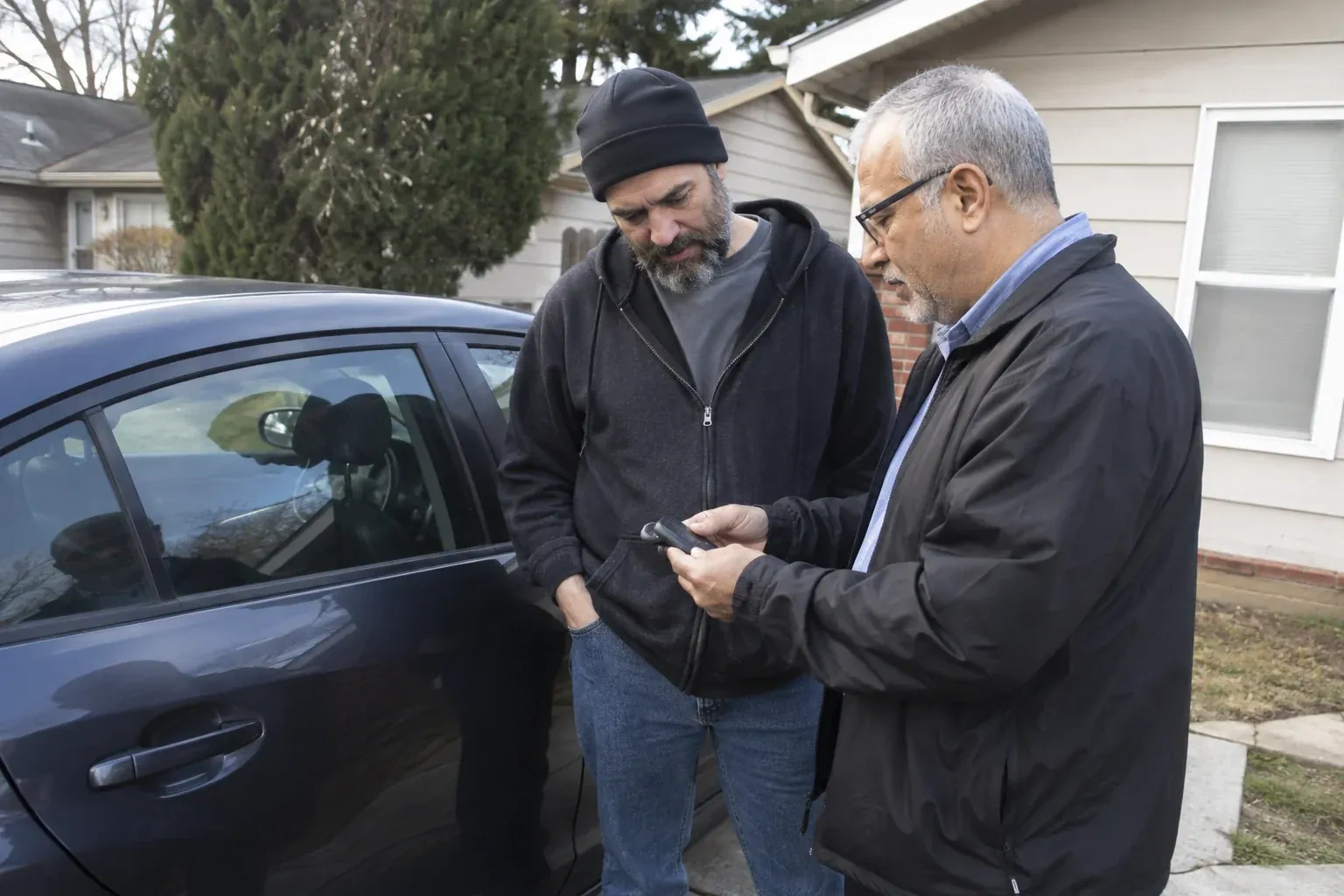 EmergencyCar Lockout ServiceThe trunk is full of groceries, the cart is back in its corral, and the keys are sitting in the cup holder in plain view.
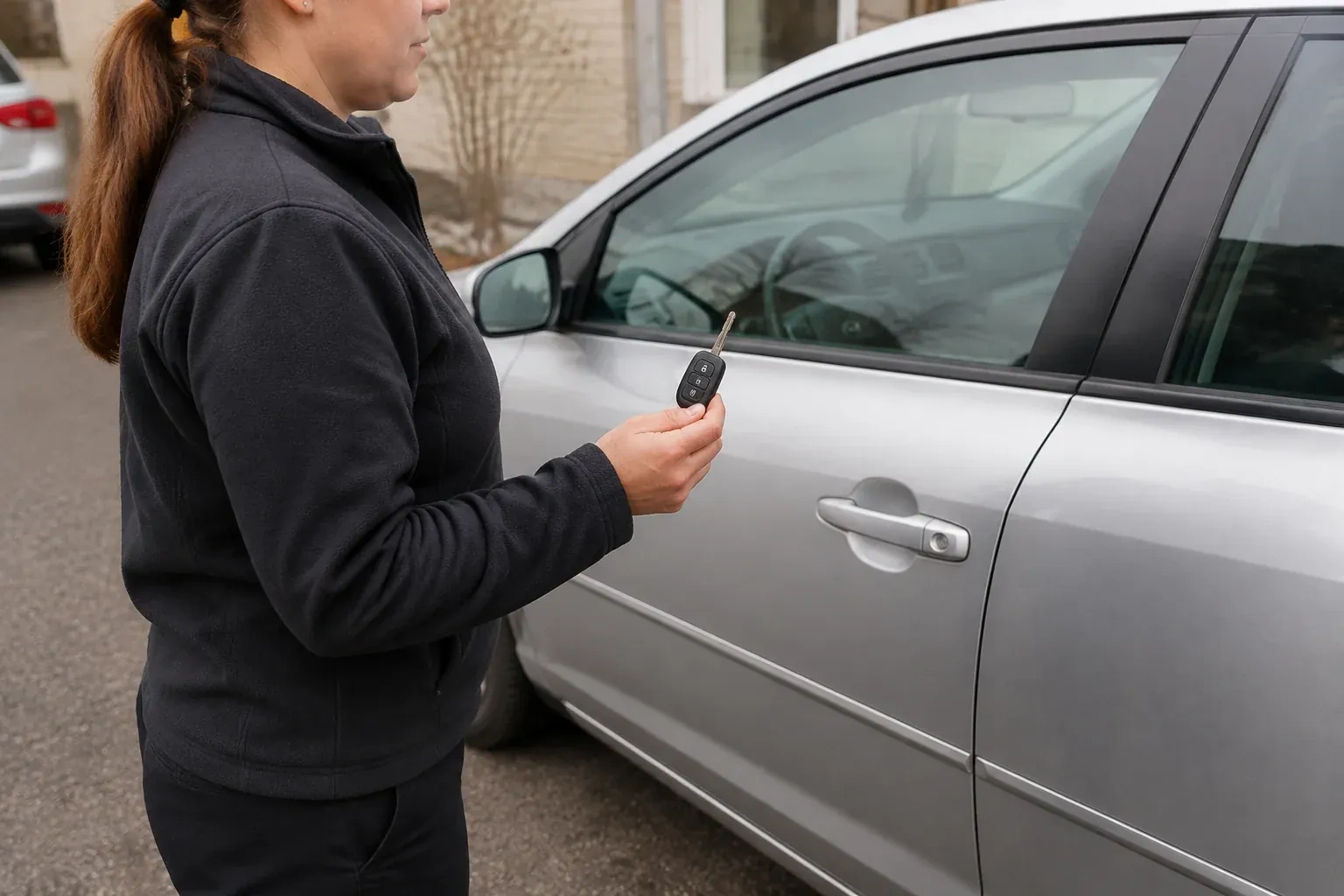 EmergencyCar Key ReplacementMinus twenty outside, the fob button does nothing, and the door keyhole has a crust of road salt over it because you have not…
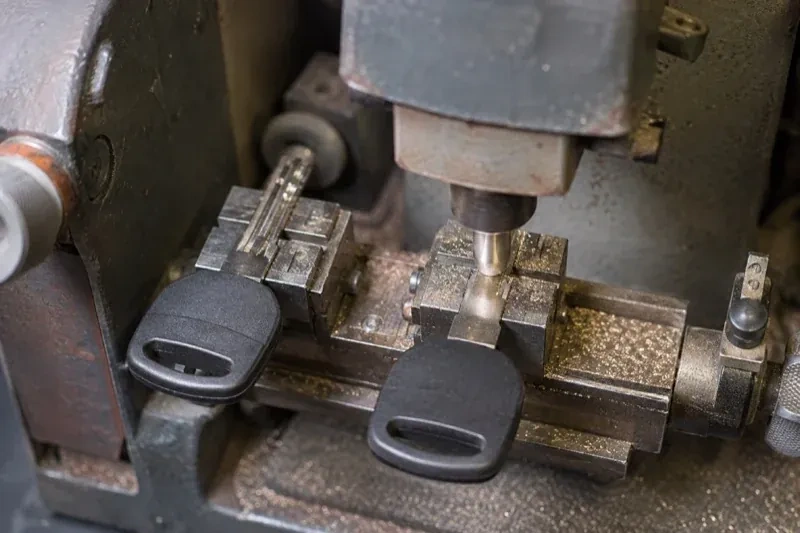 Spare Car Key Duplication
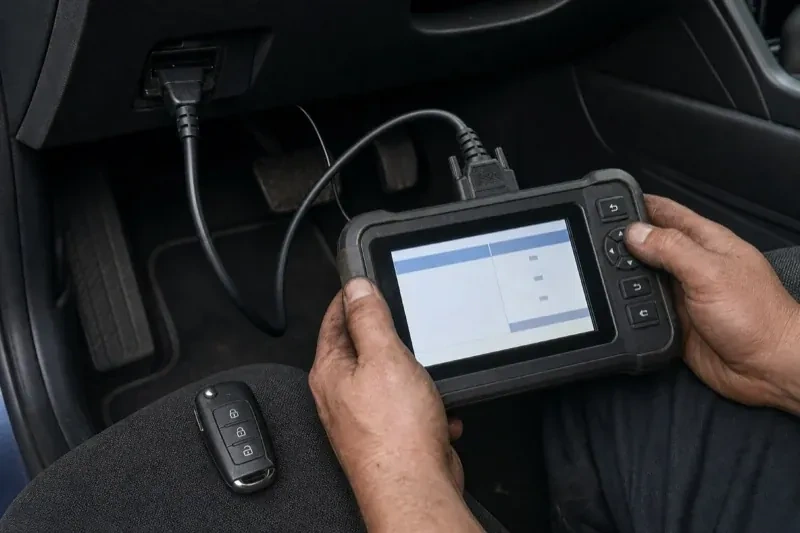 Key Fob Programming
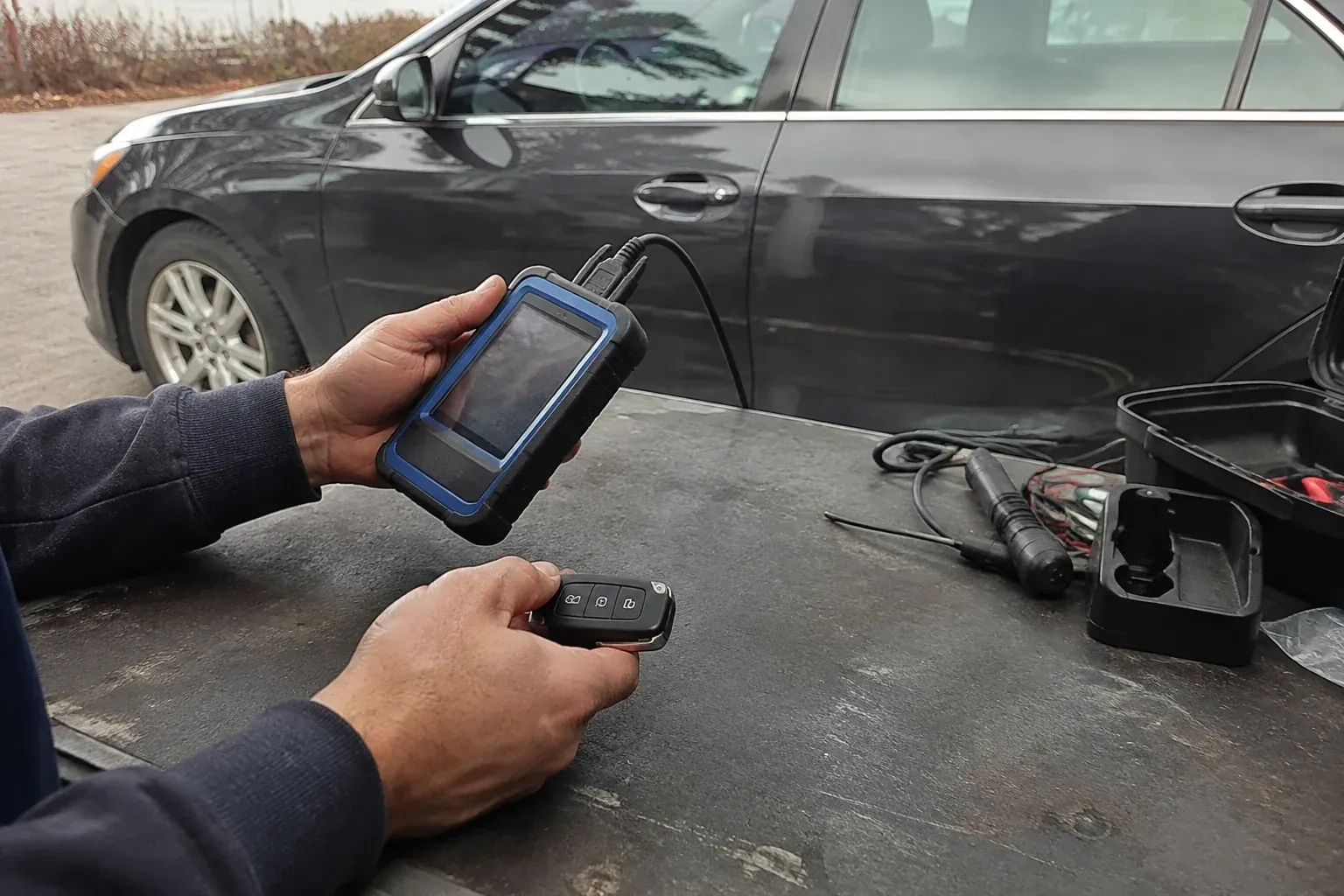 Transponder Key Programming
Motorcycle & Scooter Keys near you
Toronto, Ontario
Six Points information
- Town
- Six Points, Toronto, Ontario
- In business
- 16 years
- Hours
- Open 24/7 · nights, weekends and holidays, same fees
- Phone
- (289) 804-7704
- Visits
- On-site assessment preferred. Request a visit or call.
What the census means at the door
58%
Older homes. About 58% of homes in Toronto were built in 1980 or earlier, according to the 2021 Census.
Where most homes were built decades ago, doors often still carry their original mortise locks and brass knobs. That hardware can usually be cleaned, re-sprung and kept in service, with a modern deadbolt added above it for strength without losing the look.
23%
Single-detached houses make up about 23% of homes in Toronto (2021 Census).
In a building, a lockout happens in a hallway rather than a porch, and the neighbours notice. A locksmith confirms you belong to the suite, opens the door with the least fuss the lock allows, and leaves the door and cylinder intact for the night.
Nearby
Open 24/7
Request a visit
After a winter under a cover, the steering lock will not budge.
Call now · open 24/7(289) 804-7704- On-site assessment preferred
- Same fees day, night or weekend
- 16 years in business