Car keys · Toronto
Key Fob Programming
The car changed hands last week, and the paperwork included exactly one fob for a household with two drivers. Somewhere in a previous owner's kitchen drawer sits a second one that never made the trip, and neither person has any way to reach it now.
Call now · open 24/7(289) 804-7704In plain words
Losing a fob raises a question a spare doesn't answer on its own: whoever has the missing one can, in principle, still use it. Programming a new fob is only half the service in that situation, because the other half is removing the lost fob's electronic authorization from the vehicle's memory following that model's procedure, which stops its remote and starting functions; a mechanical blade inside it can still open an unchanged door lock, so that lock is rekeyed too where the risk warrants it. The visit closes both problems at once, leaving the household with working fobs and one less fob unaccounted for out in the world.
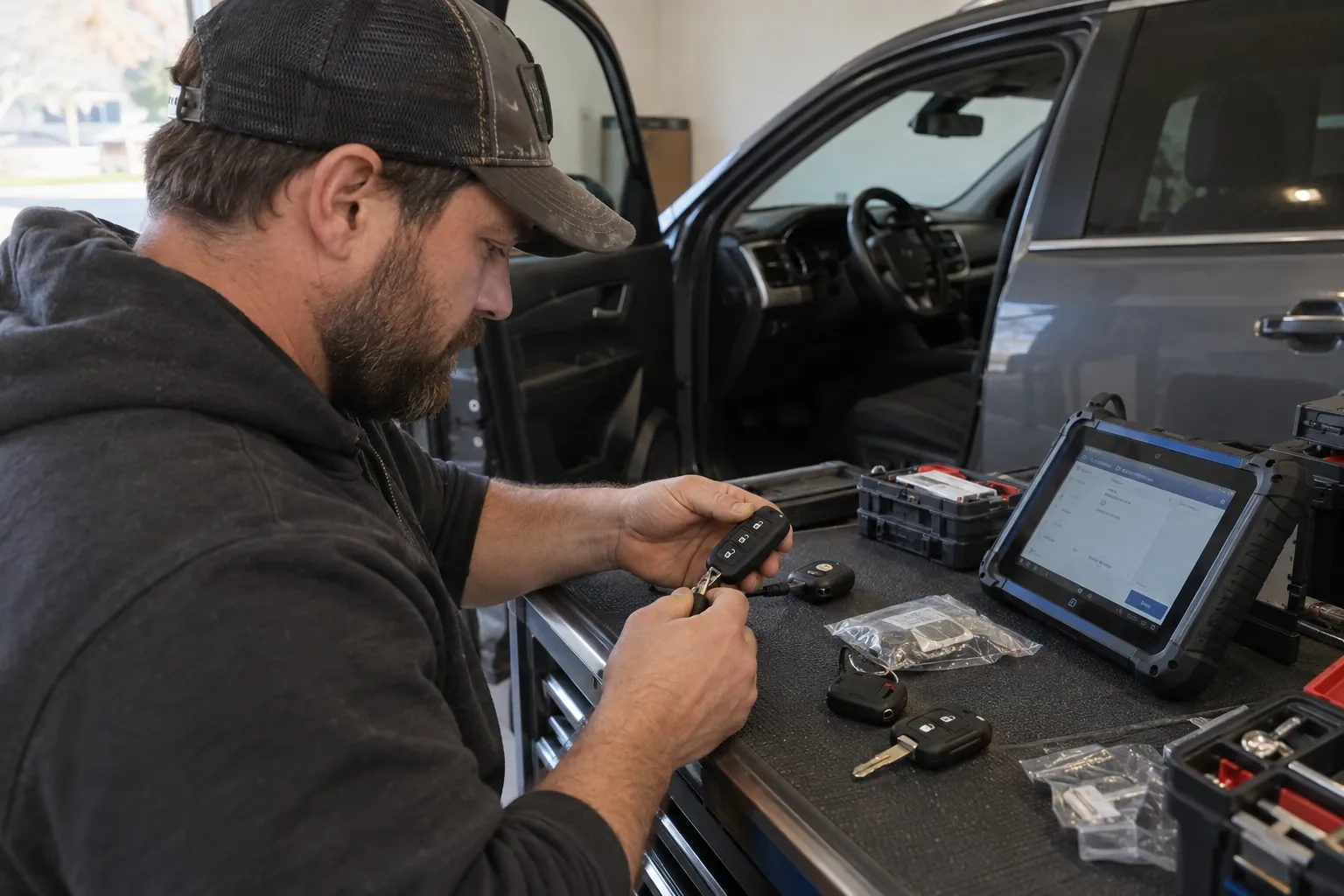
How the visit goesA cracked case or a spin through the wash left the fob unresponsive, and opening it up reveals a slightly corroded board where the buttons used to sit. The mechanical blade still turns the lock on its own, but the wireless side of the fob has gone silent.
Key Fob Programming · Toronto
How the visit goes
- 1
Counting every fob already in the house
The visit starts with an honest count of what fobs exist for this vehicle right now, working or not, present or missing. A household that believes it has two fobs sometimes turns out to have three once a coat pocket or a junk drawer gets checked, and that count changes the plan. Any fob confirmed lost or unaccounted for gets flagged for removal from the vehicle's memory once the new one is added, so the visit ends with every remaining fob known and accounted for rather than an open question.
- 2
Registering the fob to its vehicle
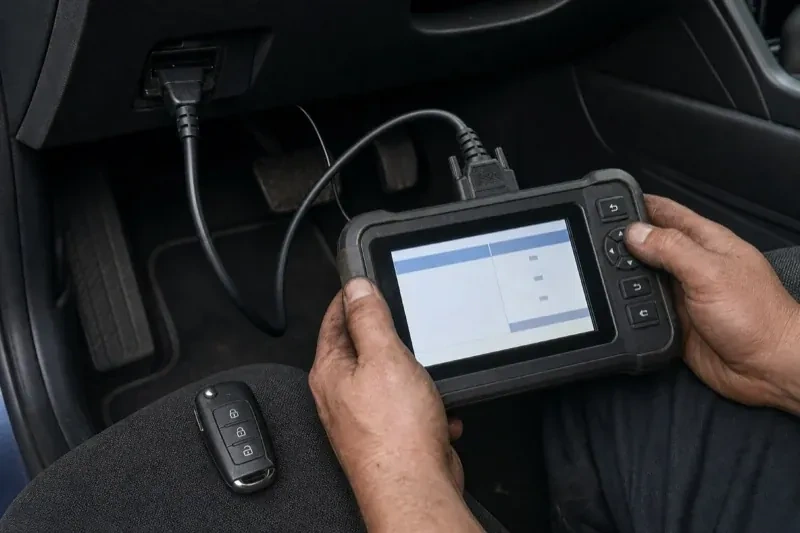
With the vehicle and the fob identified, the registration procedure runs through a diagnostic connection built for that specific system, most often the same port used for other vehicle diagnostics. The exact sequence that model calls for is followed step by step, since the order and the timing between steps varies from one manufacturer to the next. When the procedure completes, the fob is now part of the vehicle's accepted list rather than an unrecognized piece of plastic with buttons on it, and it is treated as a working key from that point forward.
- 3
A record worth keeping past the visit itself
Vehicles occasionally change hands, insurance occasionally asks questions, and a fob occasionally needs replacing again years down the line, so a simple record of which fobs are registered, when they were added, and which fob was removed if one was lost, saves repeating the same identification work later. Keeping that note with the vehicle's other paperwork, rather than relying on memory, is a small habit that pays off the next time any key work comes up.
In the van
- Manufacturer security access code
- Mechanical key blank
- Diagnostic port interface cable
- Precision case-opening tools
- Contact cleaner and small brushes
What affects the quote
- 1
Which key system the vehicle uses
A basic remote-and-blade key, a transponder key, or a full proximity fob with passive entry and remote start each involve different parts and different procedures, and that difference is reflected in the quote from the first assessment.
- 2
Whether the vehicle has been worked on before
Prior attempts at programming, a fob that has already been opened, or settings that already look altered can add time to confirming the vehicle's current state before new work proceeds.
- 3
Removing a lost fob from the vehicle's memory
Deregistering a fob's electronic authorization, following that model's procedure, when it is genuinely missing rather than simply replaced, is part of the visit and is reflected accordingly.
Same fees day, night or weekend.
Key Fob Programming: questions
Will adding a new fob affect my remote start or passive entry?
On many vehicles, no, not for the fobs already working: adding a fob to the accepted list does not change how they behave. Some procedures instead need every retained fob present and re-registered, so check the vehicle's own routine first. Either way, the new fob is tested for every function the vehicle offers, including remote start and passive entry where fitted.
What is the difference between a remote, a transponder key and a proximity fob?
A basic remote only operates the locks and alarm from a distance while a separate metal key still starts the engine. A transponder key combines a cut blade with a chip the immobilizer reads before allowing a start. A proximity fob goes further: it authorizes entry while it is nearby, though most vehicles still need the handle touched, gripped or pressed to actually unlock, and it starts the engine with a push button, with no key insertion needed day to day. Each type is programmed differently.
Do I need to bring my car anywhere, or does the work happen where it is?
The vehicle generally stays where it is parked, since the equipment used for programming travels to it rather than the other way around. What matters more than the location is that the vehicle itself is present for the visit, since most procedures read information directly from the car as part of registering the new fob.
Car Keys
Bigger photo, sooner job: Emergency Book soon Plan ahead
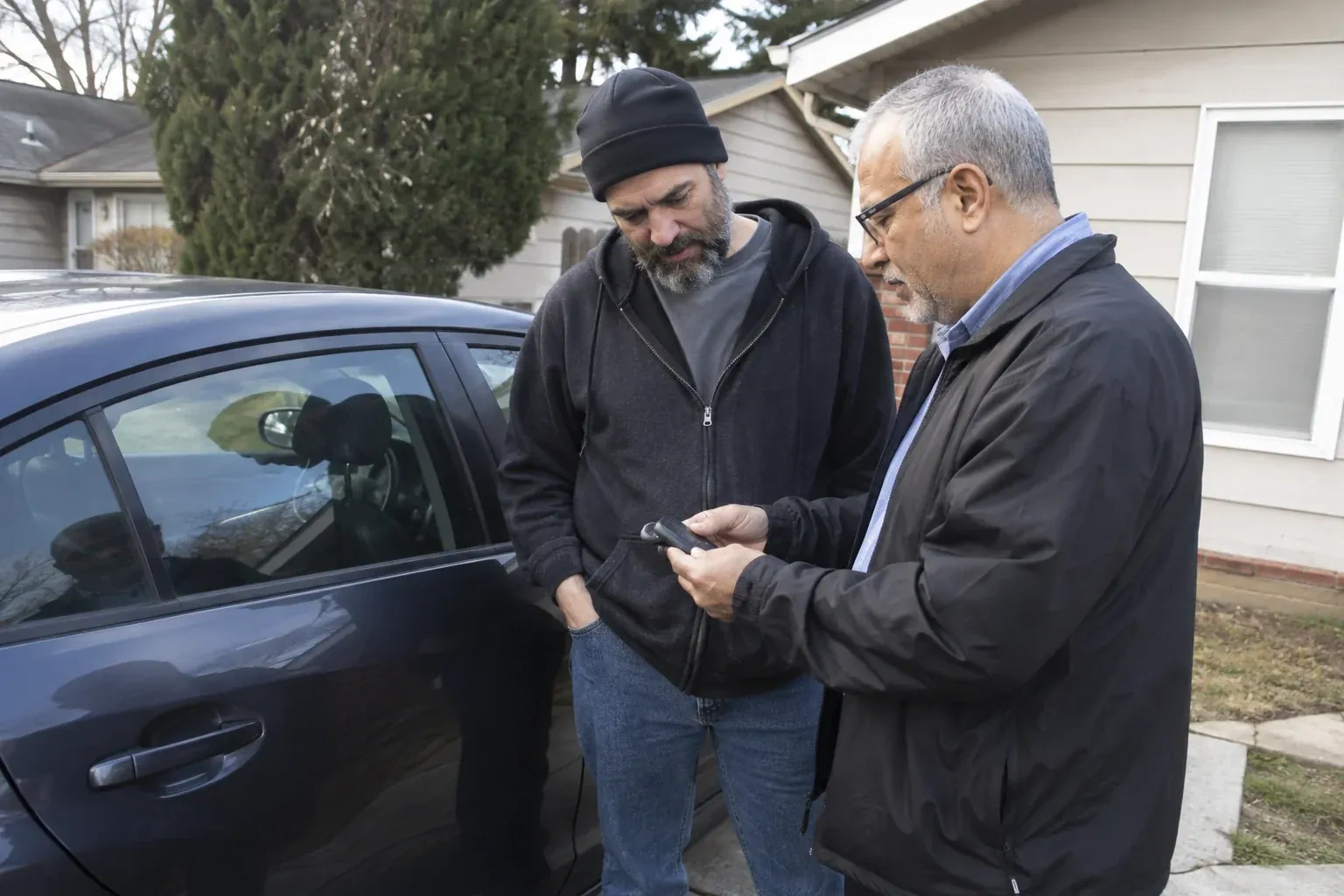 EmergencyCar Lockout ServiceThe trunk is full of groceries, the cart is back in its corral, and the keys are sitting in the cup holder in plain view.
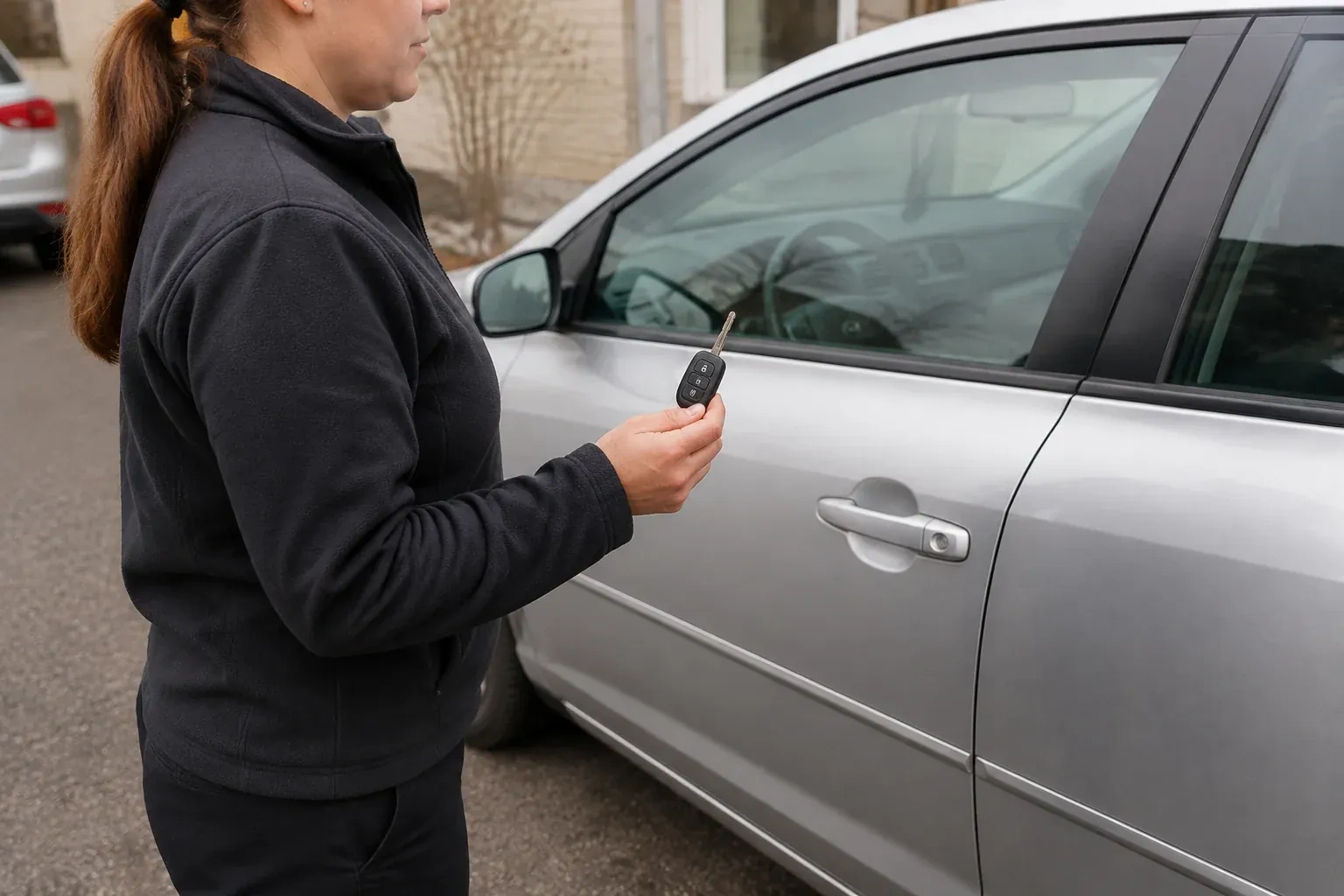 EmergencyCar Key ReplacementMinus twenty outside, the fob button does nothing, and the door keyhole has a crust of road salt over it because you have not…
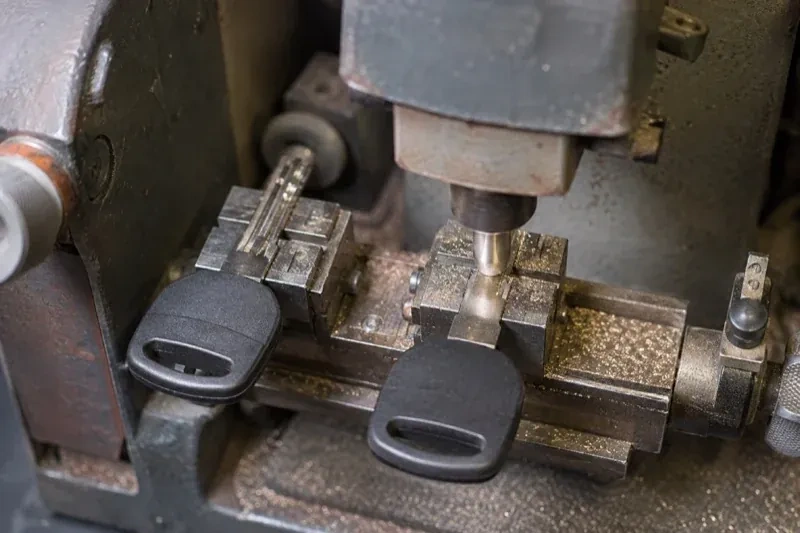 Spare Car Key Duplication
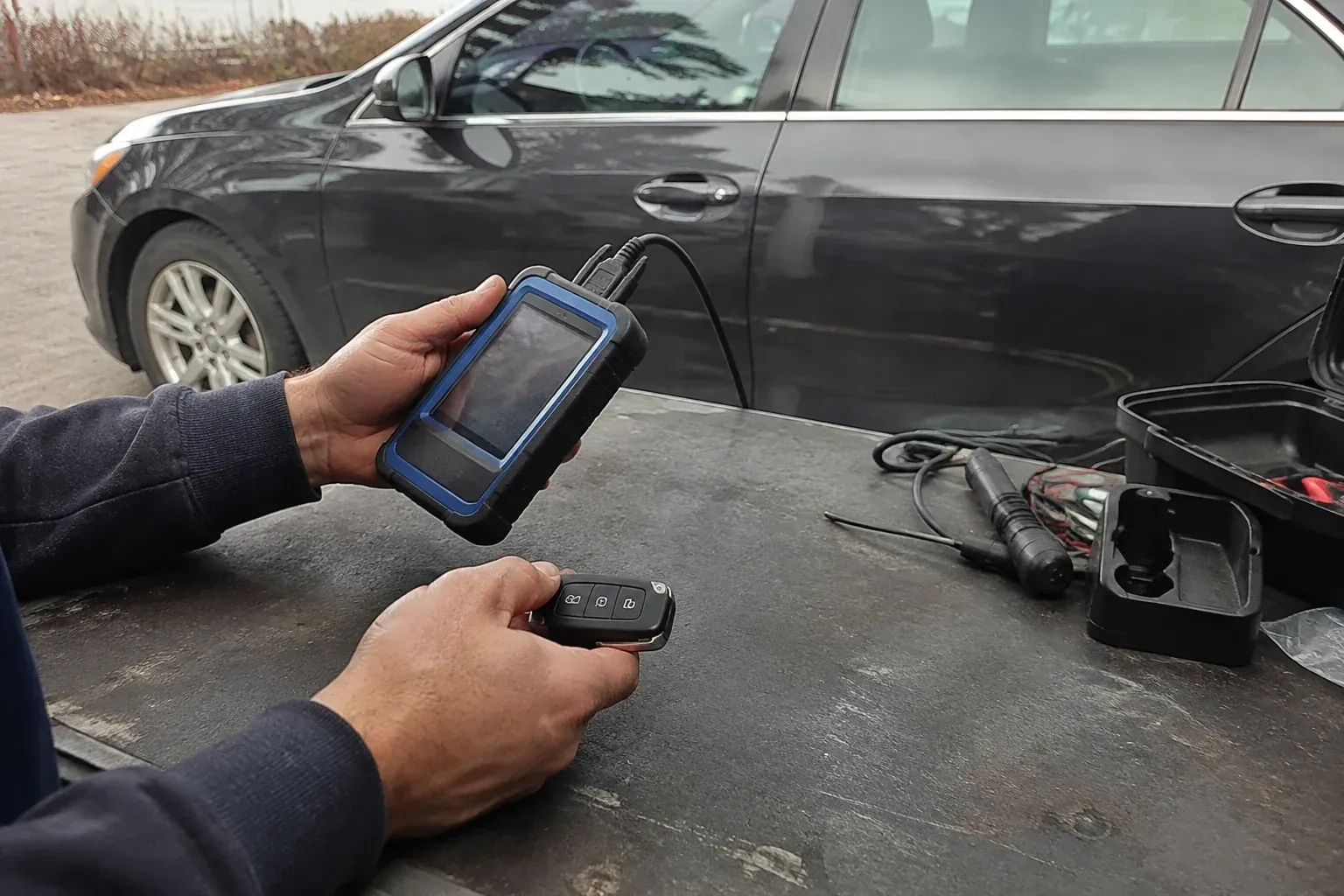 Transponder Key Programming
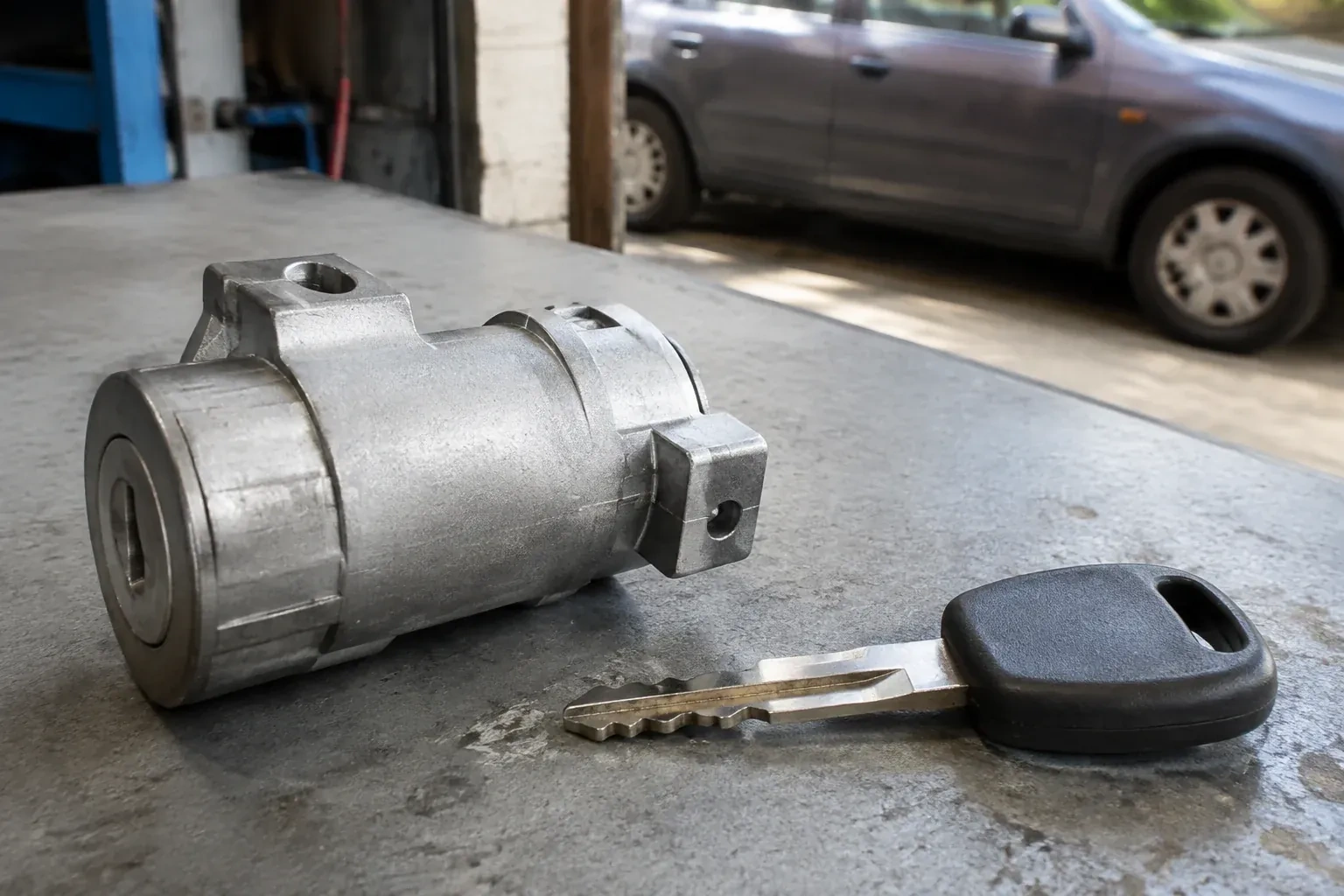 Ignition Lock Repair
Key Fob Programming near you
Toronto, Ontario
Toronto information
- Town
- Toronto, Ontario
- In business
- 16 years
- Hours
- Open 24/7 · nights, weekends and holidays, same fees
- Phone
- (289) 804-7704
- Visits
- On-site assessment preferred. Request a visit or call.
What the census means at the door
58%
Older homes. About 58% of homes in Toronto were built in 1980 or earlier, according to the 2021 Census.
Layers of paint build up on older doors and frames, and a lock that seemed to fail is sometimes a latch glued shut by the last coat. Part of the visit in an older area is freeing hardware, cleaning the edges and checking the door swings true.
23%
Single-detached houses make up about 23% of homes in Toronto (2021 Census).
Townhouse rows often share a keyway chosen by the builder. A locksmith can move a household onto a keyway of its own so a neighbour's key, or a key from the construction phase, no longer has any chance of fitting.
Nearby
Open 24/7
Request a visit
The car changed hands last week, and the paperwork included exactly one fob for a household with two drivers.
Call now · open 24/7(289) 804-7704- On-site assessment preferred
- Same fees day, night or weekend
- 16 years in business