Change or rekey · Toronto
Gate & Building Entry Locks in Toronto
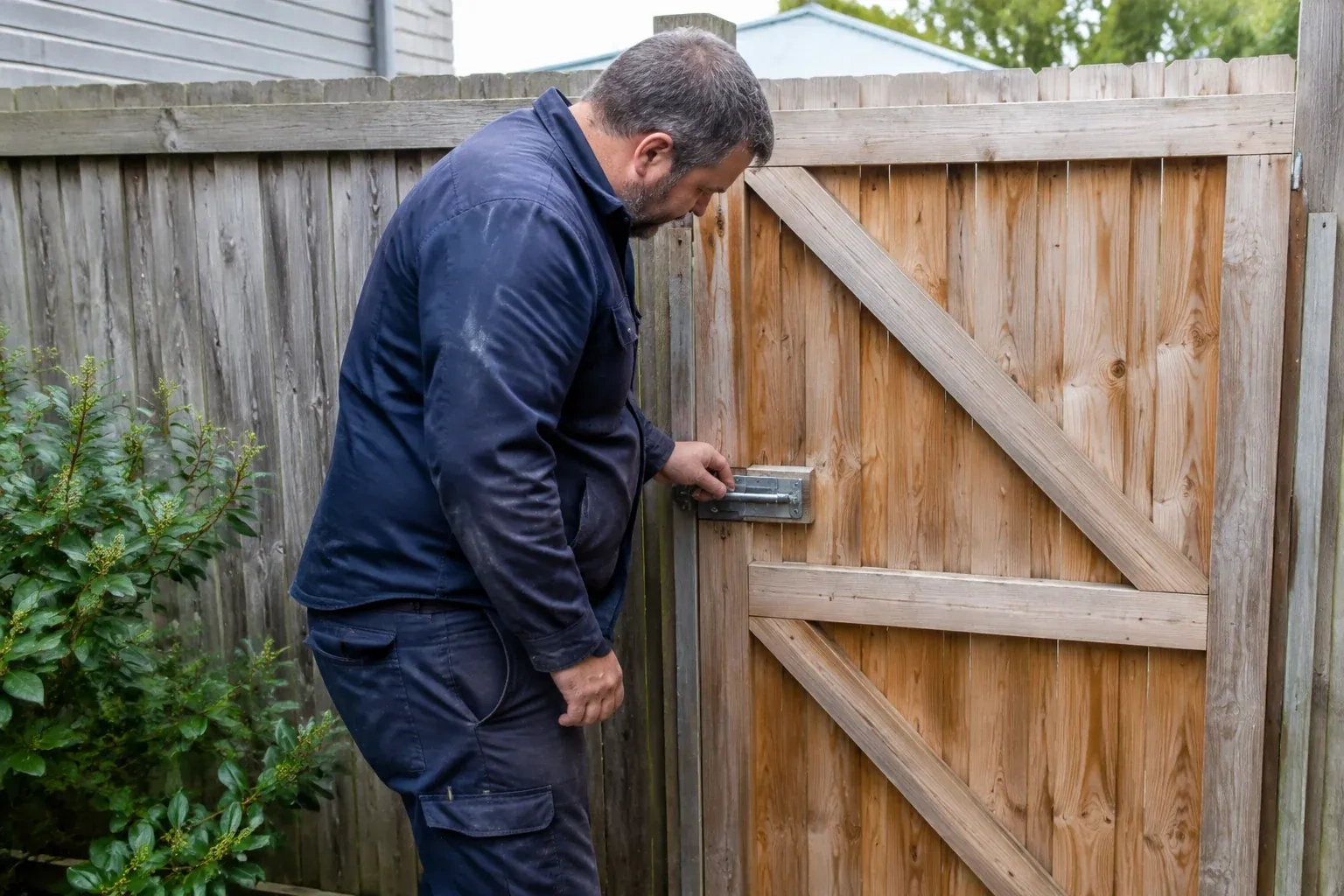
The gate to the side yard used to close with a satisfying click. After a winter of frost heaving the fence post, the latch now sits a full inch below where the strike is waiting for it, and the gate swings free no matter how hard it is pulled shut.
Call now · open 24/7(289) 804-7704In plain words
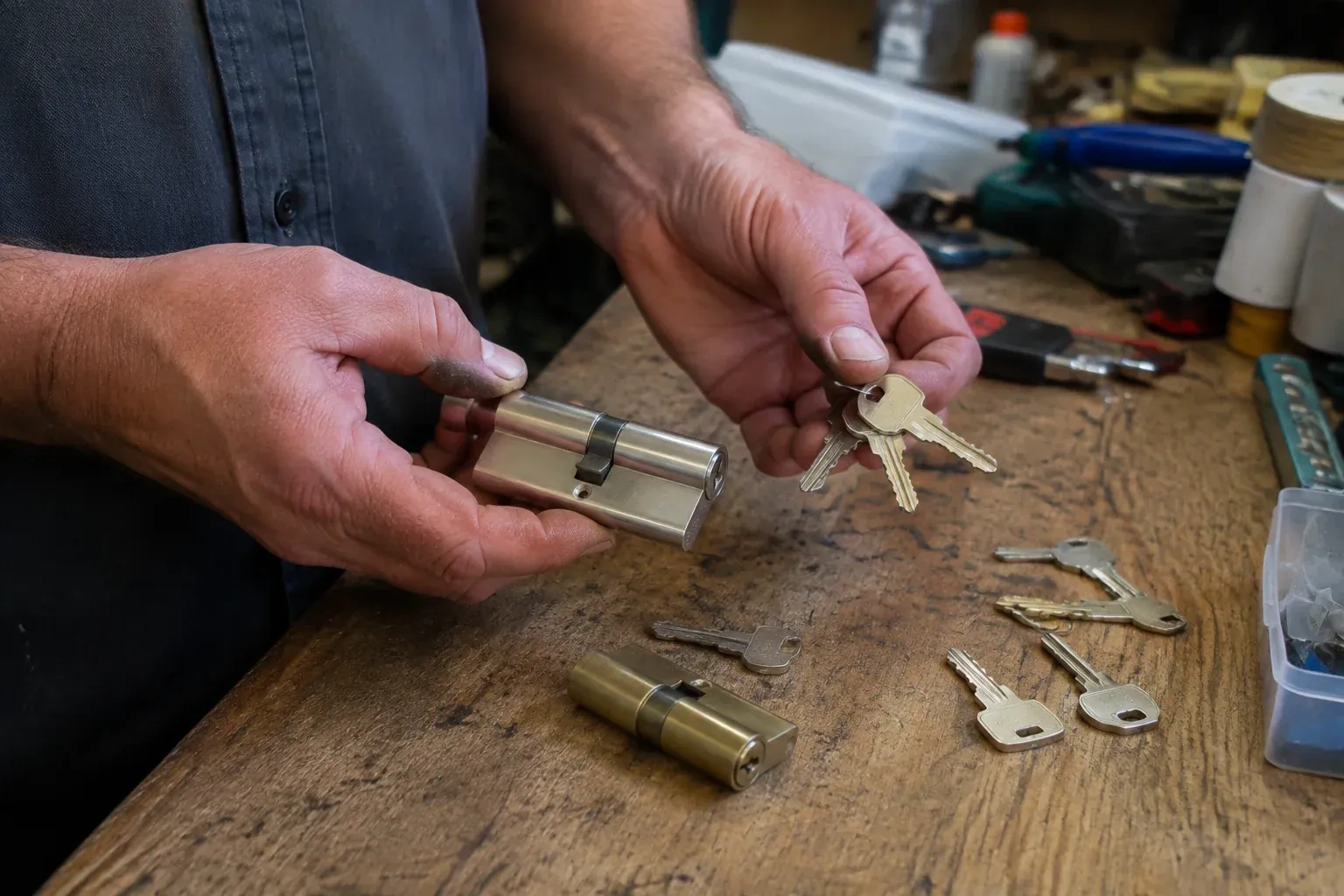
A property that grew its gates one at a time, a shed lock here, a side gate there, tends to end up with a drawer full of keys that only sort of match. This service takes stock of every gate and padlock on the property and works out which ones can reasonably be brought onto a single key, replacing or recombining cylinders as needed. The owner leaves with fewer keys, a clear note of what opens what, and a plan for adding any new gate onto the same system later.
How the visit goesA visitor buzzes from the panel downstairs, someone presses the button by the door, and nothing happens. The electric strike on the lobby door used to click open on cue; now it stays silent, and residents are propping the entry with a folded flyer instead.
Gate & Building Entry Locks · Toronto
How the visit goes
- 1
Weather exposure and corrosion
A gate lock lives outside in every season, so the assessment looks specifically for what weather has already done to it: pitting on the cylinder face, a stiff plug that hints at rust inside, green corrosion around a padlock shackle, or a closer that has started to weep hydraulic fluid. Ground-level hardware near a driveway or walkway gets checked especially closely, since de-icing salt collects there over winter. What this turns up decides whether the existing hardware can be cleaned and lubricated or whether weather has already gone past what maintenance alone can address.
- 2
Resetting the strike and keeper
With the gate or door's adjusted position confirmed, the strike or keeper is repositioned, shimmed or deepened so the latch or bolt has a clean, full throw into it. On a wooden gate post this can mean moving the keeper's screws to fresh wood; on a metal frame it can mean elongating or relocating the mounting holes. The goal is a strike that lines up with the latch across the gate's whole range of motion, in damp weather and dry, rather than only on the one afternoon it happened to be tested.
- 3
Nothing left half-finished after a break-in attempt
Where the visit followed prying, cutting or an attempted entry, you leave with every damaged piece accounted for: what was replaced, what was straightened, and what was simply cleaned up and reused because it tested sound. The gate or door is shown closing, latching and locking normally, and any weak point the attempt revealed, such as an undersized hasp or a strike with too little bite, has been addressed rather than left as it was found.
In the van
- Plug follower and repinning kit
- Key blanks and code cutter
- Hinges, pivots and shims
- Strike plates and keepers
- Gate and door closers
What affects the quote
- 1
Whether the post or frame needs correction
When the underlying cause is a leaning post or a shifted frame rather than the lock itself, resetting, packing or bracing that structure is quoted as its own item alongside the lock work.
- 2
Electronic components on the entry
A buzzer, keypad, electric strike or maglock adds its own diagnostic and testing time beyond the mechanical lock itself, and any electronic part that needs repair or replacement is priced as its own line.
- 3
Whether keys need coordinating across doors
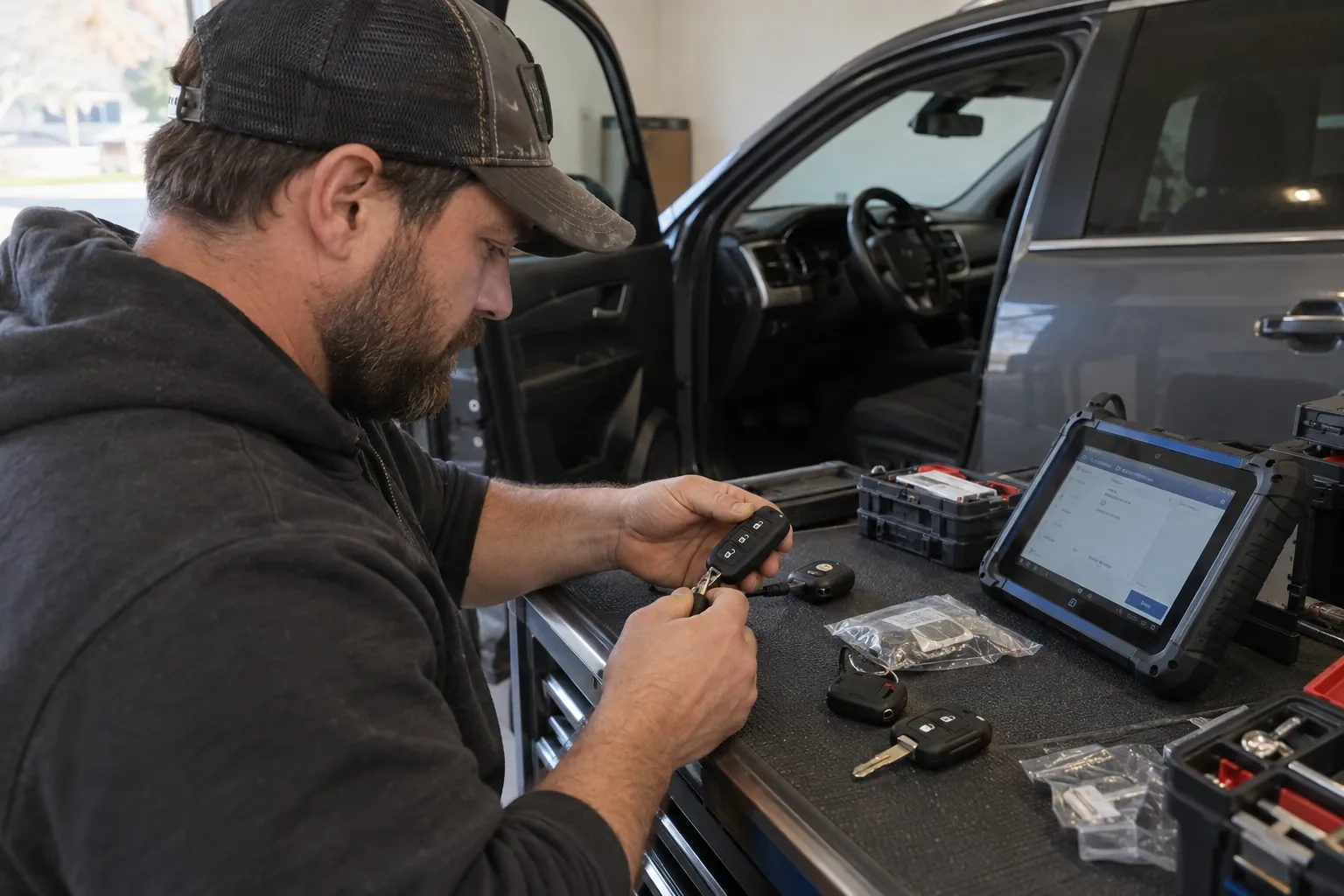
Rekeying a single lock is one task. Bringing several gates or a shared entry onto one common key, or setting up a master key arrangement across a property, adds planning and cylinder work beyond a single rekey.
Same fees day, night or weekend.
Gate & Building Entry Locks: questions
What information over the phone helps identify the hardware before the visit?
A photo of the lock, the gate or the entry door, taken from a few steps back and up close on the cylinder, tells the locksmith more than a verbal description usually can. Mentioning whether the gate is wood, metal or vinyl, roughly how the property is laid out, and whether the entry has any buzzer, keypad or electric component narrows down what hardware and parts to bring. None of this is required, but it does shape what shows up in the van.
What actually happens during a gate or building entry lock visit?
The locksmith first watches the gate or door move and checks the hardware fitted to it, then works out whether the issue sits in the lock, the closer, the hinges or the alignment of the frame itself. Whatever combination is found, the relevant piece is adjusted, rekeyed or replaced, and the whole assembly is cycled repeatedly afterward to confirm it closes, latches and locks the same way every time. Any keys involved are cut and tested before the visit is considered complete.
Does this service cover the gate itself, or only the lock?
Both, where the two are connected, which on a gate they usually are. A locksmith working on a gate lock also looks at the hinges, the post and the closer, since a lock rarely fails on its own when the real cause is a sagging gate or a post that has shifted. Work that goes beyond hardware the locksmith carries, such as rebuilding a rotted post or a damaged fence panel, is flagged so it can be handled by whoever normally does that kind of repair.
Gate & Building Entry Locks near you
Toronto, Ontario
Toronto information
- Town
- Toronto, Ontario
- In business
- 16 years
- Hours
- Open 24/7 · nights, weekends and holidays, same fees
- Phone
- (289) 804-7704
- Visits
- On-site assessment preferred. Request a visit or call.
What the census means at the door
58%
Older homes. About 58% of homes in Toronto were built in 1980 or earlier, according to the 2021 Census.
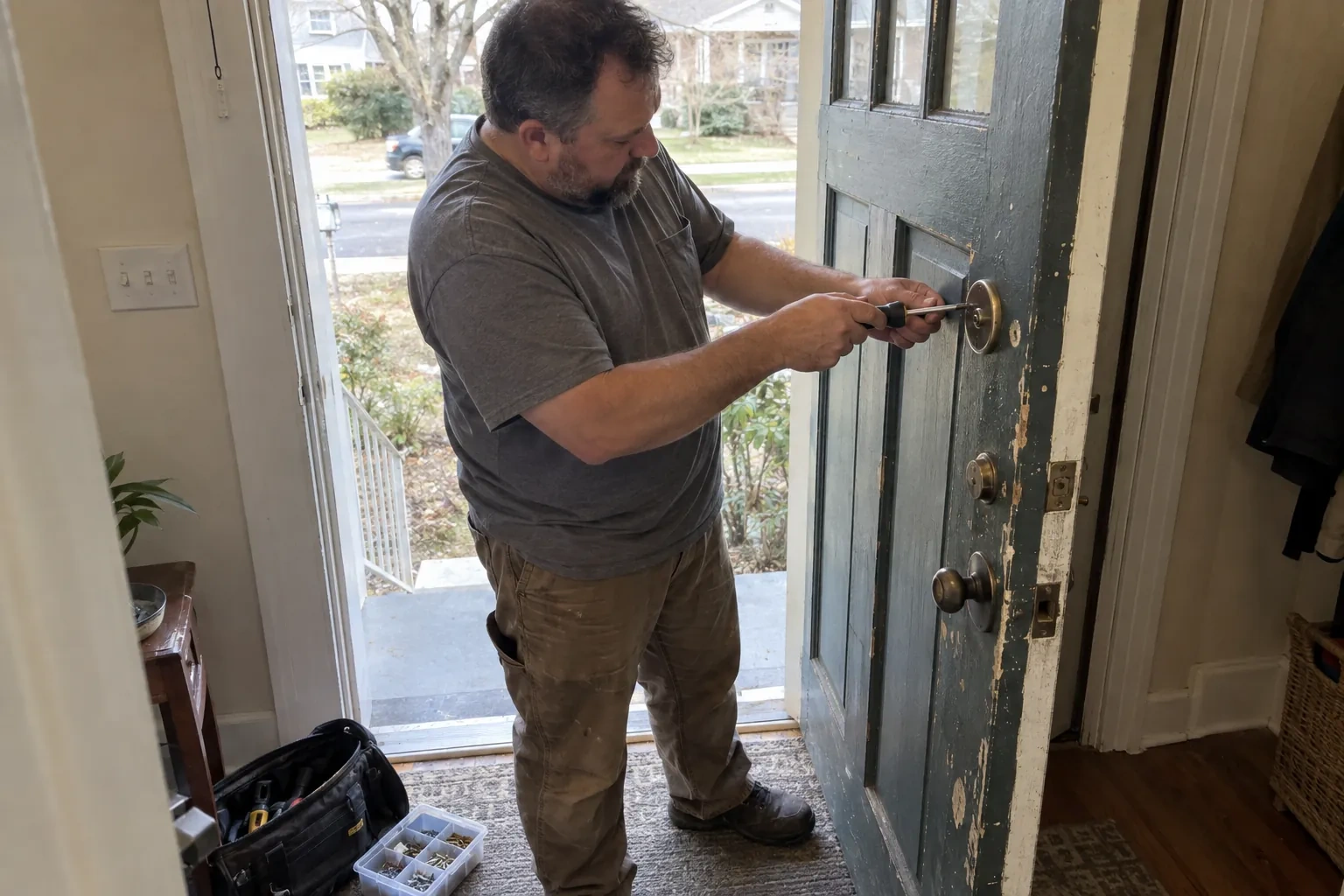
Layers of paint build up on older doors and frames, and a lock that seemed to fail is sometimes a latch glued shut by the last coat. Part of the visit in an older area is freeing hardware, cleaning the edges and checking the door swings true.
23%
Single-detached houses make up about 23% of homes in Toronto (2021 Census).
Townhouse rows often share a keyway chosen by the builder. A locksmith can move a household onto a keyway of its own so a neighbour's key, or a key from the construction phase, no longer has any chance of fitting.
Nearby
Open 24/7
Request a visit
The gate to the side yard used to close with a satisfying click.
Call now · open 24/7(289) 804-7704- On-site assessment preferred
- Same fees day, night or weekend
- 16 years in business