Change or rekey · Toronto
Lock Replacement & Upgrade in Toronto
Someone tried the back door while you were away. The jamb is splintered around the strike, the bolt is bent, and the knob turns with a grinding feel.
Call now · open 24/7(289) 804-7704In plain words
When people say upgrade they usually mean a heavier lock, and there is a real scale behind that word. Builders hardware in North America is graded to ANSI/BHMA standards, with Grade 1 the highest and Grade 3 the lightest, and residential products carry a separate label scoring security, durability and finish. A higher grade certifies stronger performance on the standard's own tests, and moving up often brings a longer hardened bolt, a sturdier housing, pins that resist picking and a strike built to anchor into the framing, though the exact features depend on the model. The locksmith explains which grade fits which door.
How the visit goesEvery morning the front door key needs the same little dance: push in, lift, wiggle, turn. It has been getting worse for a year, and this week it took three tries in the cold before the deadbolt finally gave.
Lock Replacement & Upgrade · Toronto
How the visit goes
- 1
How the old lock behaves in use
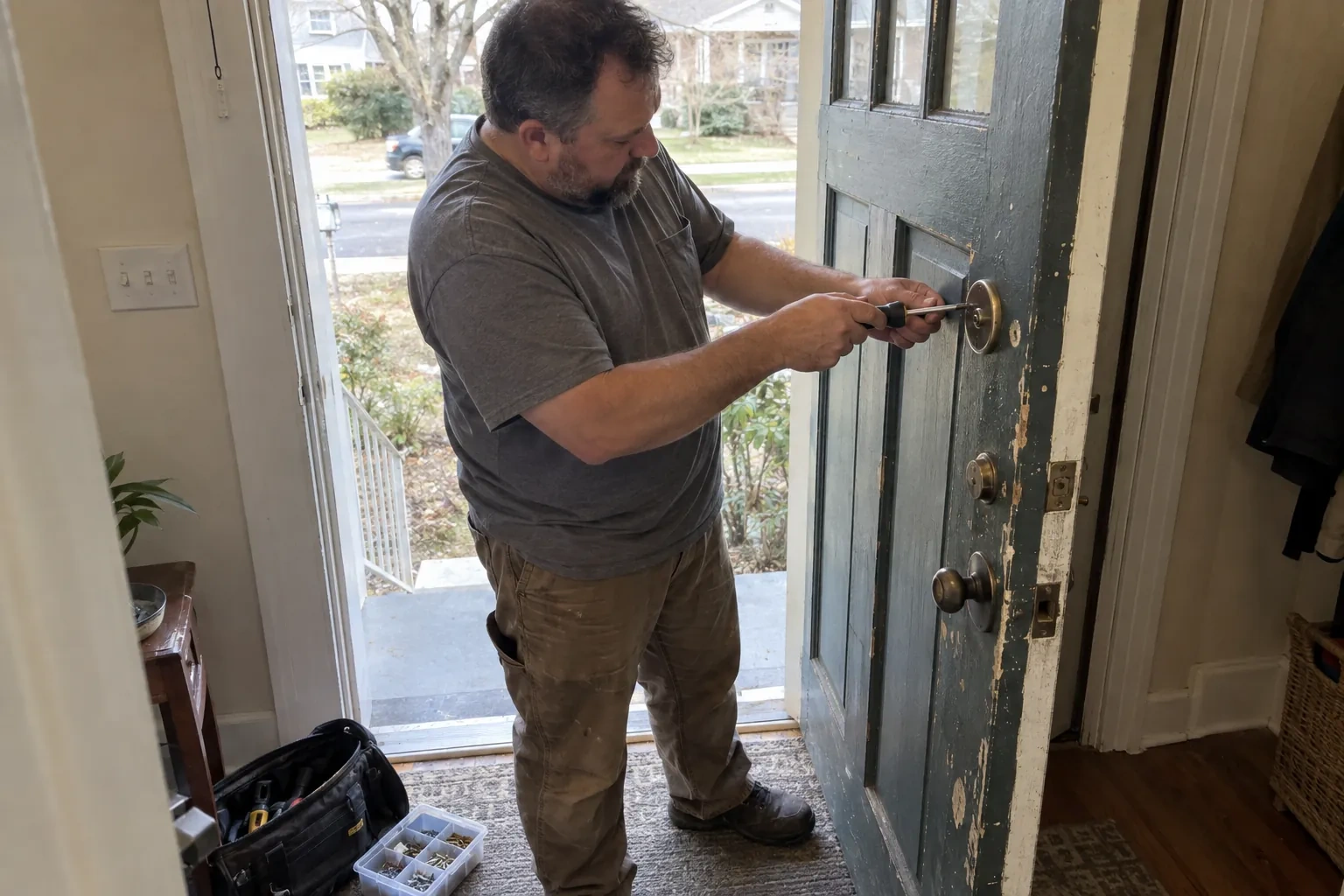
The locksmith works the existing hardware the way you do every day and watches for the tell-tale signs. A key that must be lifted or wiggled points to worn pins or a worn key. A knob that turns too far, or a lever that droops, suggests a tired spindle or spring. A latch that stays retracted, or a bolt that stops short, can be internal wear or something outside the lock altogether. Doing this with the door open first, then closed, separates faults inside the mechanism from faults in the fit of the door, and that distinction decides whether new hardware is the answer or part of the answer.
- 2
Taking the old hardware off without harm
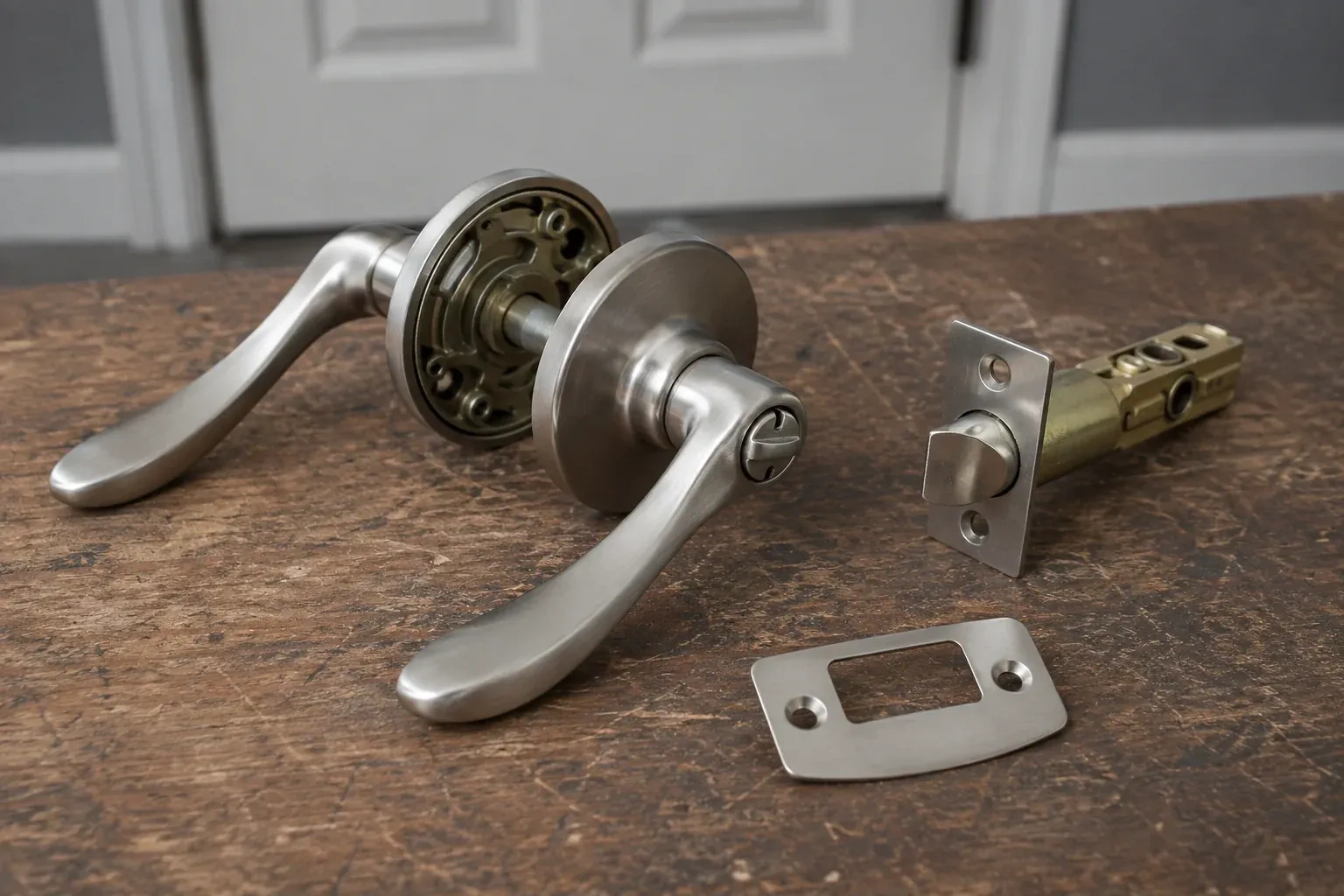
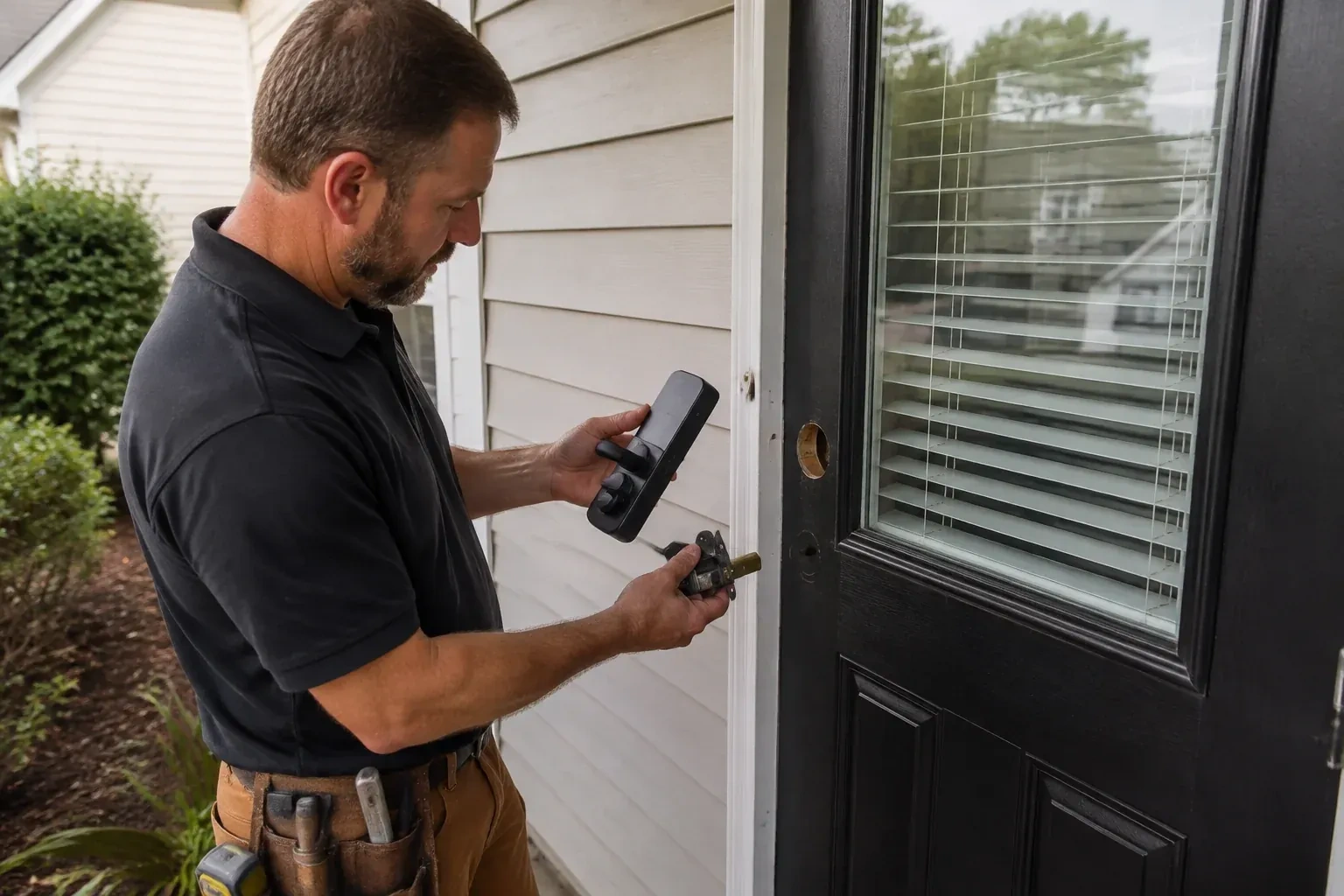
Removal is done with the same care as fitting. Interior trim screws come out first, then the interior rose or thumb-turn, and the exterior housing lifts away with its tailpiece. The latch or bolt slides out of the edge bore once its two faceplate screws are released, and the old strike comes off the jamb. Painted-over screws are scored free rather than forced, seized screws are eased with a hand driver of the right size, and a stripped head is drilled out only as a last step. The bore and edge mortise are then cleaned of paint build-up and debris so the new parts seat properly.
- 3
A record of what went on the door
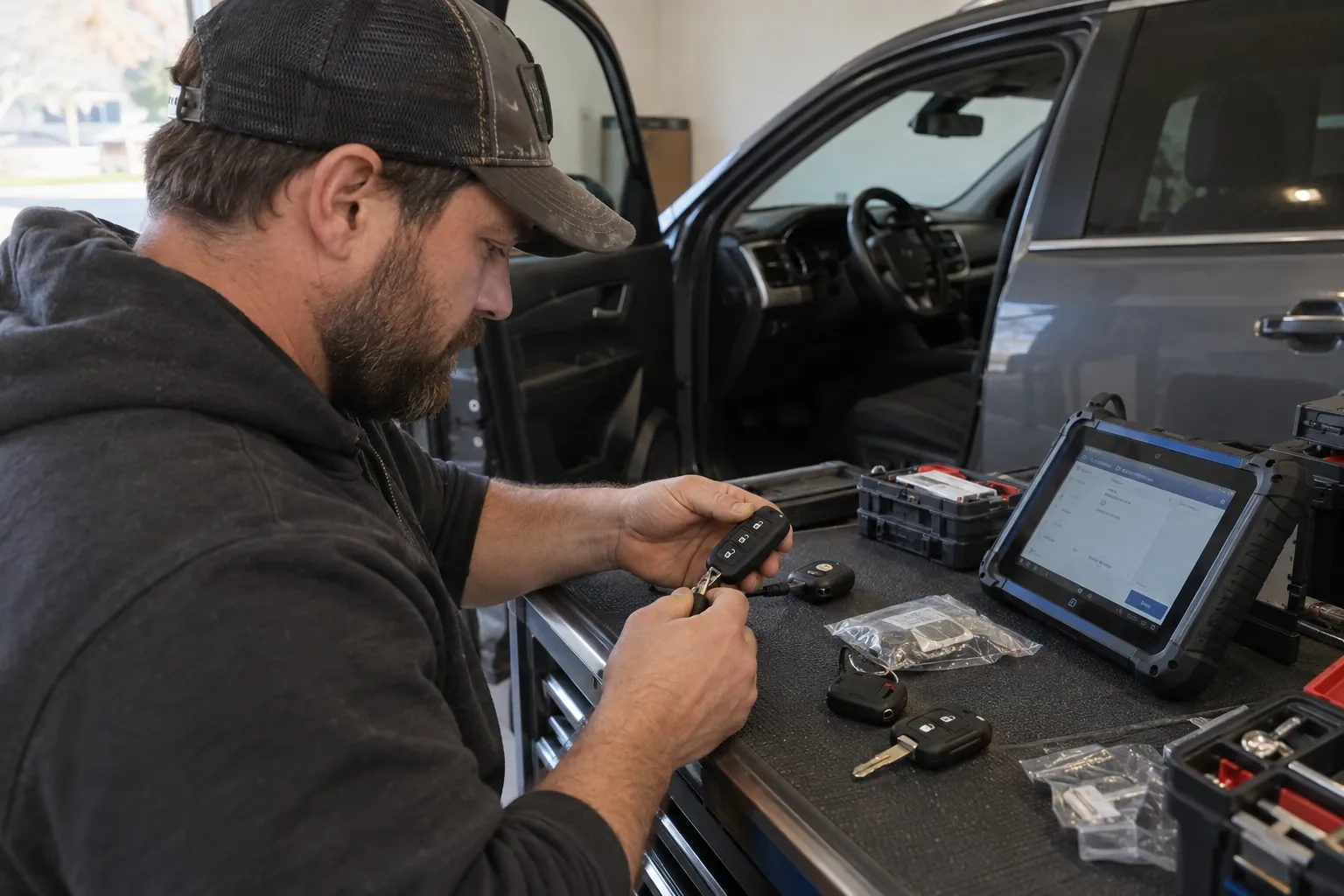
You are told plainly what was fitted: the maker and model, the grade, the function and finish of each lock, whether the strike was reinforced, and how the doors are keyed. The instruction sheets and packaging stay with you, since they carry the model numbers needed for a matching lever or a spare cylinder later. The old hardware is handed over or taken away as you prefer; a sound old cylinder can be worth keeping as a spare. For a rental, this account doubles as the note a landlord or property manager will want about the new keys.
In the van
- Graded deadbolt
- Boring jig and hole saws
- Knob or lever entry set
- Manufacturer-approved cylinder lubricant
- Reinforced strike plate and strike box
What affects the quote
- 1
Patio and French door hardware
Sliding door mortise locks, foot bolts and flush bolts for an inactive French door leaf are specialty items sized to the door, and they are quoted as their own line beside the entrance work.
- 2
Authorization needed from a property manager or landlord
A rental or condominium unit sometimes needs sign-off from a property manager or landlord before a lock is changed, and new keys may need to reach more than one party afterward. Confirming who is authorized and who receives keys is worked out before the new hardware goes in.
- 3
Number of doors
One back door is a small visit; the front, back, side, garage man-door and patio slider together are a longer one, though several doors done at once share the travel and setup.
Same fees day, night or weekend.
Lock Replacement & Upgrade: questions
Can I stop people copying my house key?
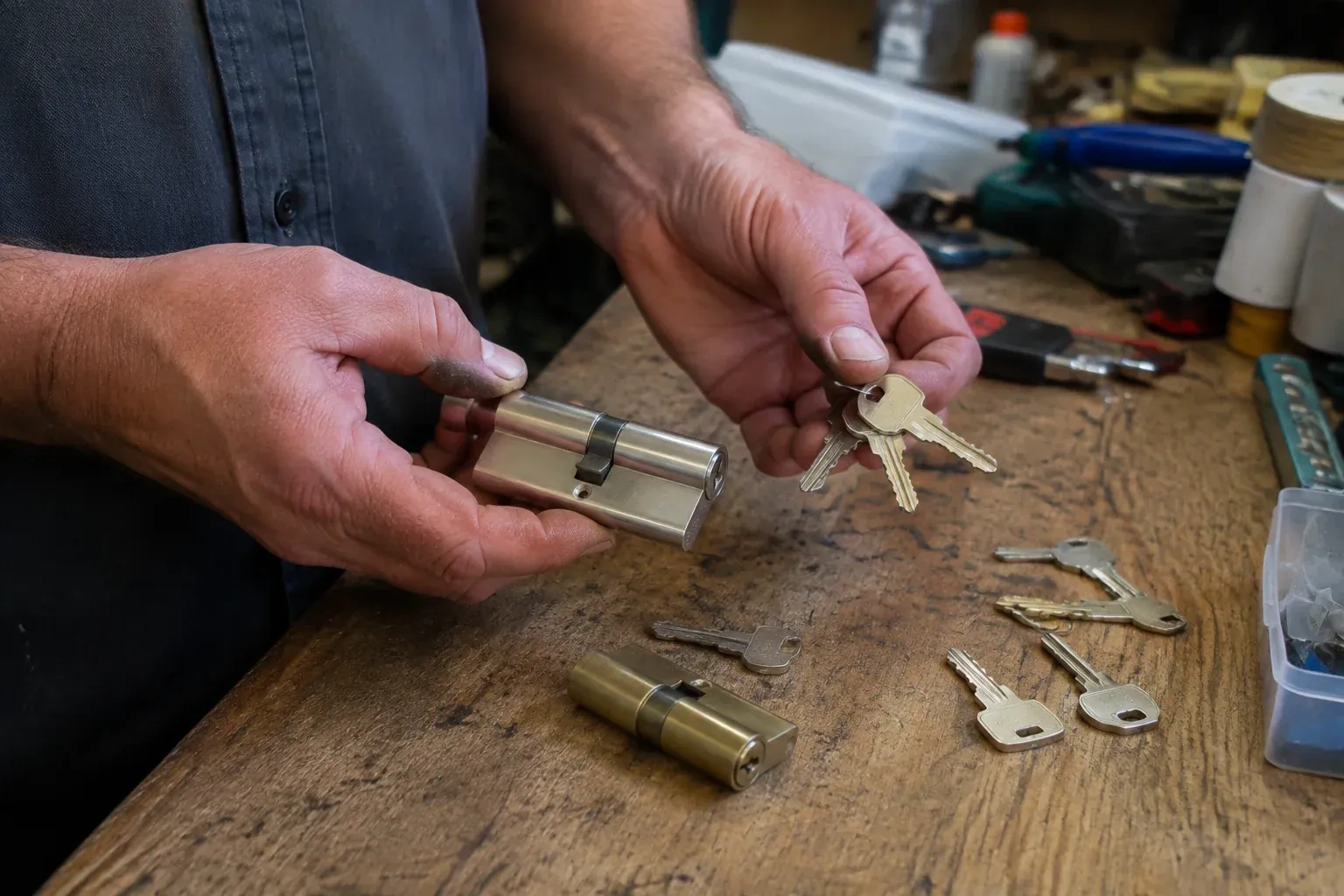
A restricted keyway helps with that. The key blanks are controlled by the manufacturer and its authorised locksmiths, so a copy generally requires the card, record or authorisation the program uses, cutting down on copies made at an ordinary kiosk. It suits homes where keys are lent to cleaners, contractors or tenants. The cylinders are fitted in the normal way, and you keep the key card safe because it is what future copies depend on.
My door has glass beside it. Should I fit a deadbolt keyed on both sides?
A keyed interior cylinder means finding a key to get out, which is not what you want on a door people use every day. The steadier answer for a door with glass is a single-cylinder deadbolt with a thumb-turn, combined with a reinforced strike, a longer bolt and a security film or laminated glass in the sidelight.
Will a new lock fit the holes already in my door?
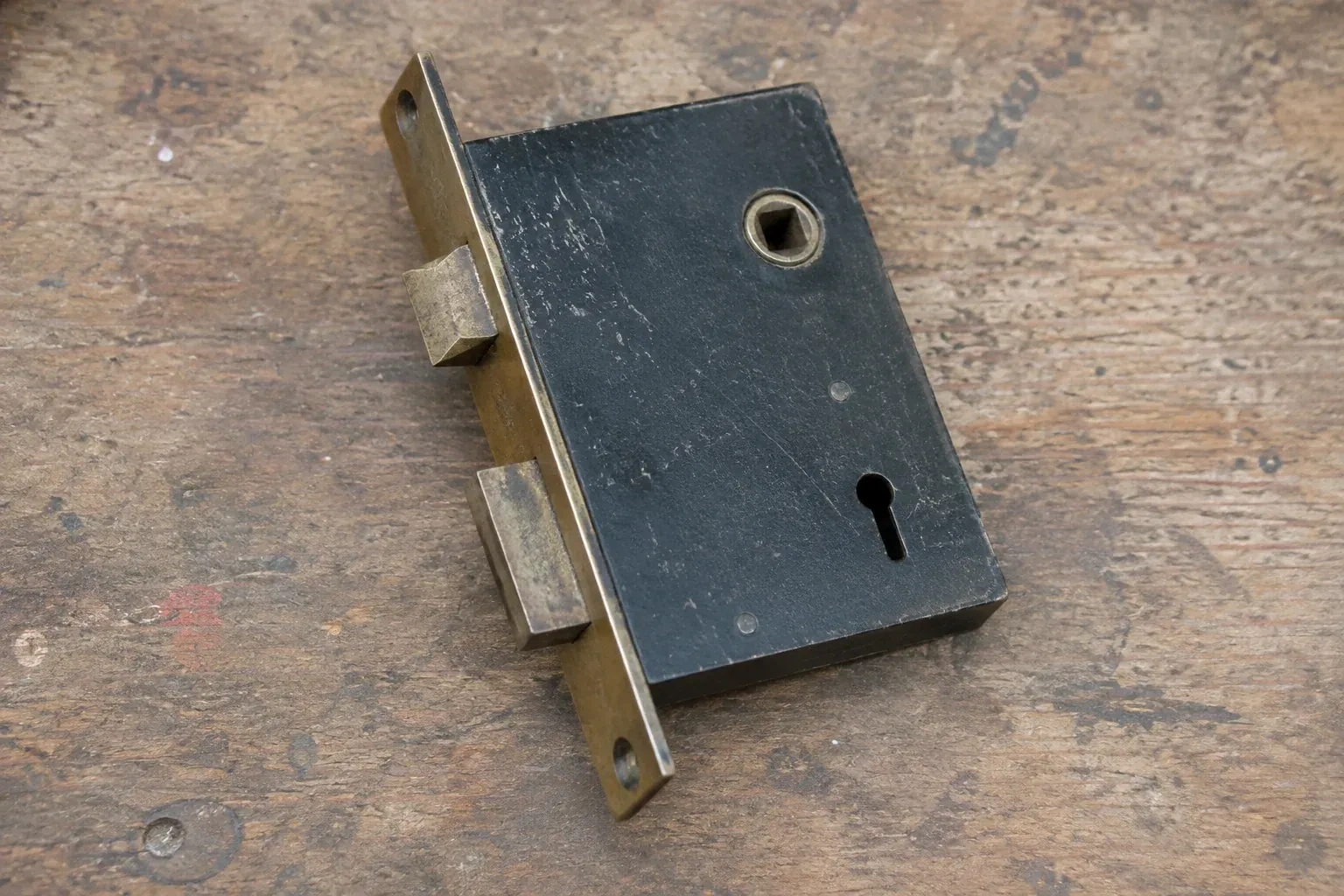
Usually, yes. Most residential doors are prepared to standard sizes, a 54 millimetre cross bore and a backset of 60 or 70 millimetres, and most modern hardware adjusts between those backsets. The locksmith measures before choosing, so the new lock is matched to the door rather than the other way around. Where an older mortise lock or an unusual bore is found, filler plates, extension kits or a carefully jigged new bore bring the door to standard.
Lock Replacement & Upgrade near you
Toronto, Ontario
Toronto information
- Town
- Toronto, Ontario
- In business
- 16 years
- Hours
- Open 24/7 · nights, weekends and holidays, same fees
- Phone
- (289) 804-7704
- Visits
- On-site assessment preferred. Request a visit or call.
What the census means at the door
58%
Older homes. About 58% of homes in Toronto were built in 1980 or earlier, according to the 2021 Census.
Layers of paint build up on older doors and frames, and a lock that seemed to fail is sometimes a latch glued shut by the last coat. Part of the visit in an older area is freeing hardware, cleaning the edges and checking the door swings true.
23%
Single-detached houses make up about 23% of homes in Toronto (2021 Census).
Townhouse rows often share a keyway chosen by the builder. A locksmith can move a household onto a keyway of its own so a neighbour's key, or a key from the construction phase, no longer has any chance of fitting.
Nearby
Open 24/7
Request a visit
Someone tried the back door while you were away.
Call now · open 24/7(289) 804-7704- On-site assessment preferred
- Same fees day, night or weekend
- 16 years in business