Change or rekey · Old Mill
Gate & Building Entry Locks in Old Mill
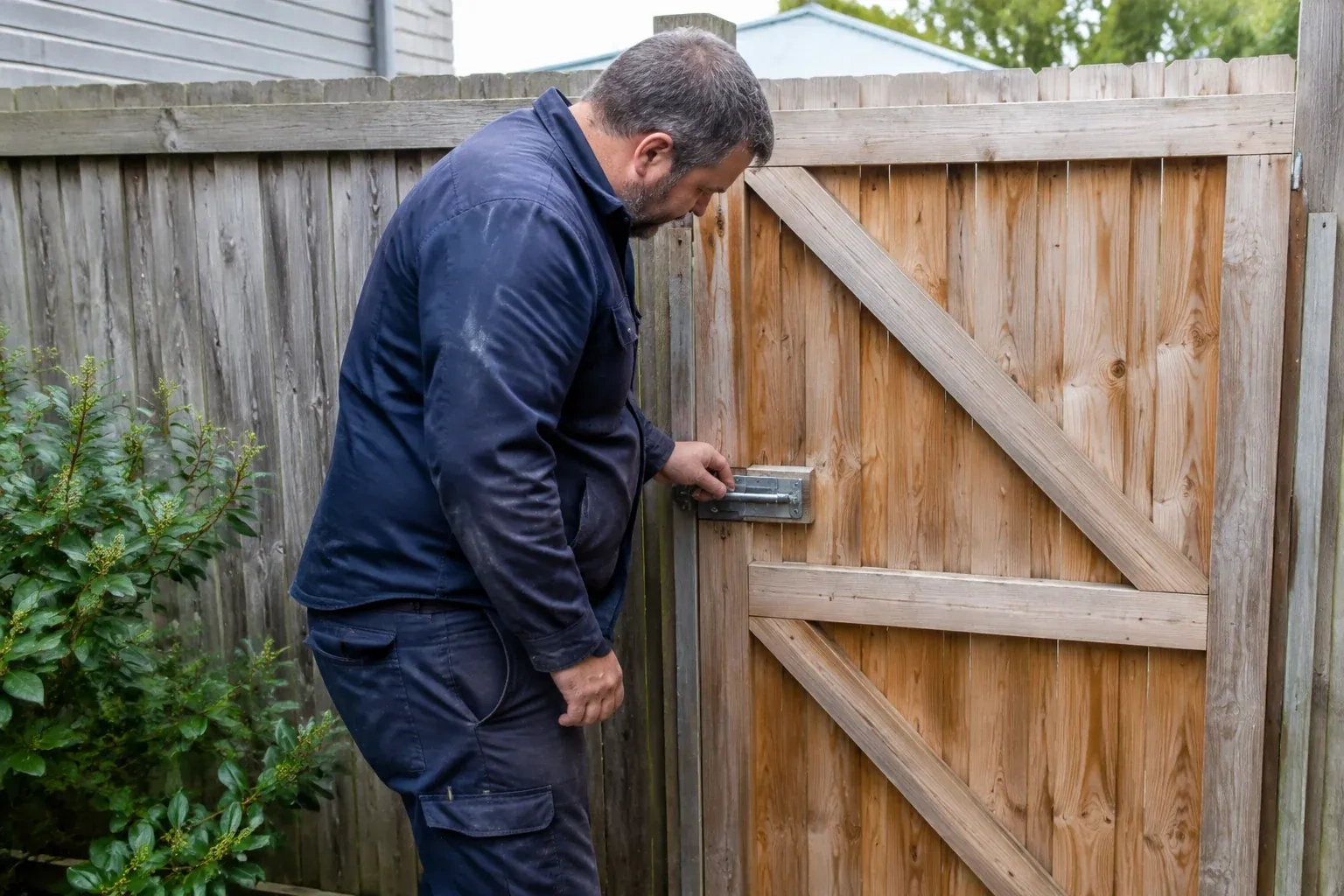
The gate to the side yard used to close with a satisfying click. After a winter of frost heaving the fence post, the latch now sits a full inch below where the strike is waiting for it, and the gate swings free no matter how hard it is pulled shut.
Call now · open 24/7(289) 804-7704In plain words
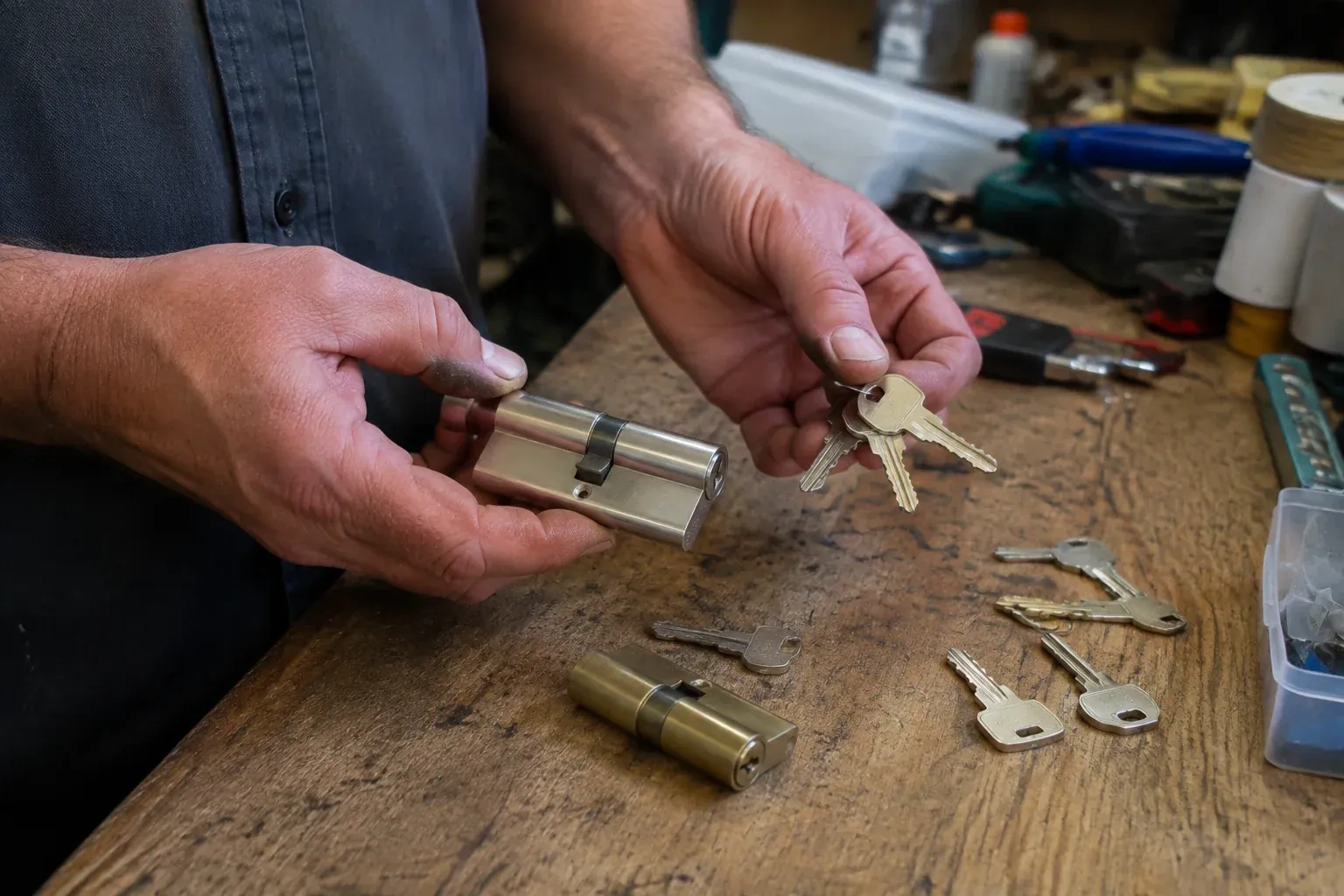
A building outlives its tenants, and every move-out that skips a rekey leaves one more key in circulation that nobody living there today can account for. This service treats that turnover as routine business: the shared entry's cylinder is rekeyed to a fresh combination, new keys are cut for everyone who currently needs one, and any gate on the same property that should share that key is brought along to match. What used to be an open question about who can get in becomes a short, current list.
How the visit goesBetween the front gate, the side gate and the one behind the shed, there are three different padlocks, three different keys, and a growing pile of duplicates in a kitchen drawer that nobody can match to the right lock anymore.
Gate & Building Entry Locks · Old Mill
How the visit goes
- 1
Testing the electronic side of the entry
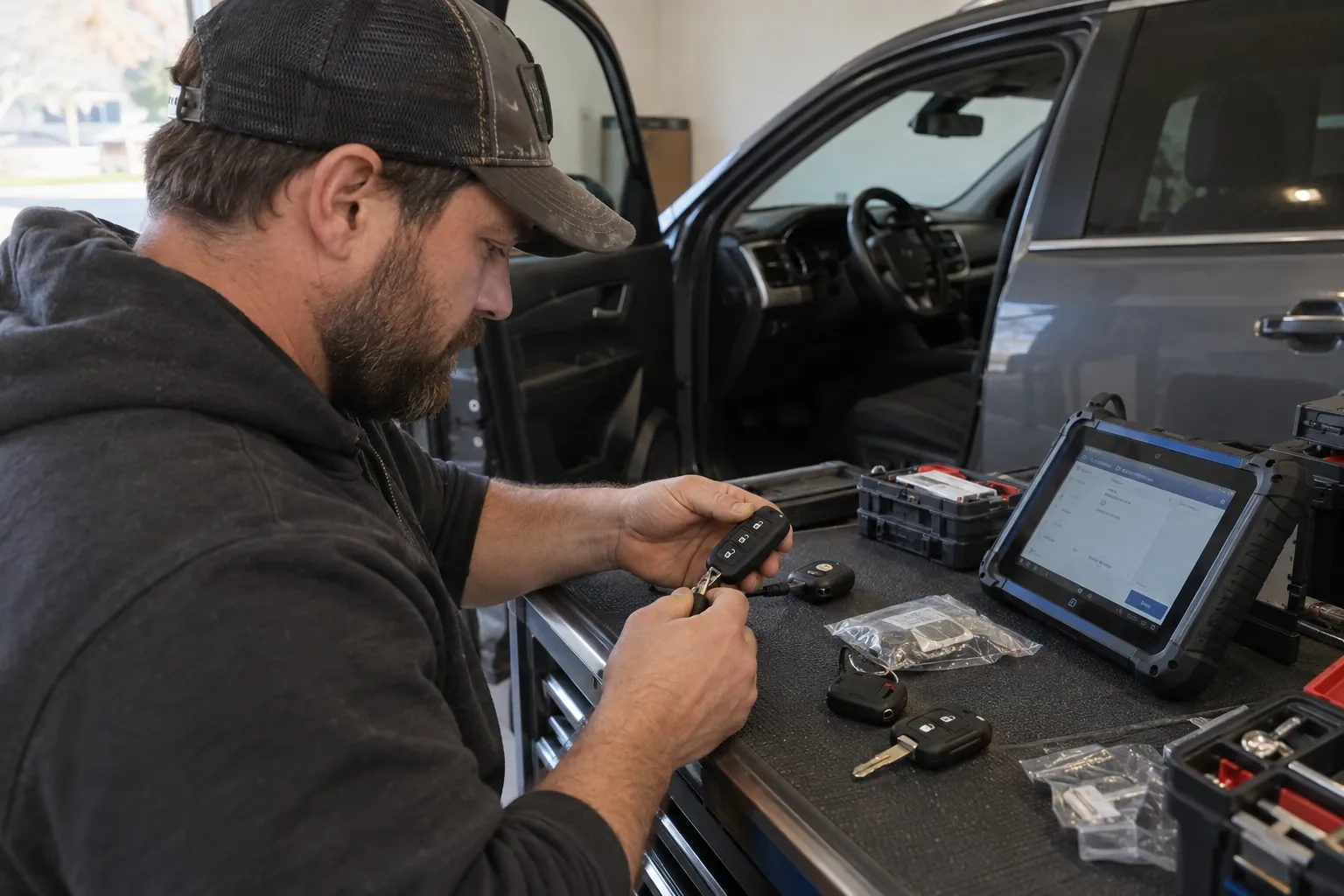
Where a buzzer, keypad or electric strike is part of the entry, the check runs through each piece in turn: whether the intercom sends a signal at all, whether the strike receives power when it should, and, where the installed lock actually includes a keyed mechanical override, whether that key still turns smoothly on its own. Treating the electronic and mechanical sides as one system, rather than assuming the fault is wherever it was last blamed, is what keeps a working lock from being replaced when the actual issue was a loose wire or a dead transformer.
- 2
Bringing the closer into proper adjustment
Once the gate or door's swing has been read, the closer is adjusted in stages: overall closing speed, the final push that seats the latch, and how firmly the last few centimetres land. Each change is tested by cycling the gate several times before moving to the next adjustment, rather than guessing at a single setting. Where the arm, fittings or fluid are worn beyond adjusting, the closer is replaced with one sized to the gate's weight and width. The aim is a gate that swings its full arc, slows near the end, and settles into the latch on its own every time.
- 3
A seasonal habit worth keeping
A gate or shared entry that was serviced once benefits from a short look each season afterward, particularly heading into winter: cycling the gate to check the closer still settles it into the latch, glancing at the cylinder for the first signs of pitting, and confirming hinge or post hardware has not worked loose. Catching a stiff cylinder or a slow closer in the fall is a smaller job than reaching the same gate once it is genuinely frozen or has sagged further over a winter of neglect.
In the van
- Plug follower and repinning kit
- Key blanks and code cutter
- Hinges, pivots and shims
- Strike plates and keepers
- Gate and door closers
What affects the quote
- 1
Any damage from a prior forced entry
Where pry marks, a bent strike or a cut hasp are found, repairing or replacing that damaged hardware is additional to a routine lock adjustment, and the locksmith points out what was already there before quoting it.
- 2
Number of gates or entries involved
One gate lock is the simplest case. A front gate, a side gate and a shared building entry looked at in the same visit is naturally a longer job with more hardware to work through.
- 3
Whether the post or frame needs correction
When the underlying cause is a leaning post or a shifted frame rather than the lock itself, resetting, packing or bracing that structure is quoted as its own item alongside the lock work.
Same fees day, night or weekend.
Gate & Building Entry Locks: questions
What information over the phone helps identify the hardware before the visit?
A photo of the lock, the gate or the entry door, taken from a few steps back and up close on the cylinder, tells the locksmith more than a verbal description usually can. Mentioning whether the gate is wood, metal or vinyl, roughly how the property is laid out, and whether the entry has any buzzer, keypad or electric component narrows down what hardware and parts to bring. None of this is required, but it does shape what shows up in the van.
What actually happens during a gate or building entry lock visit?
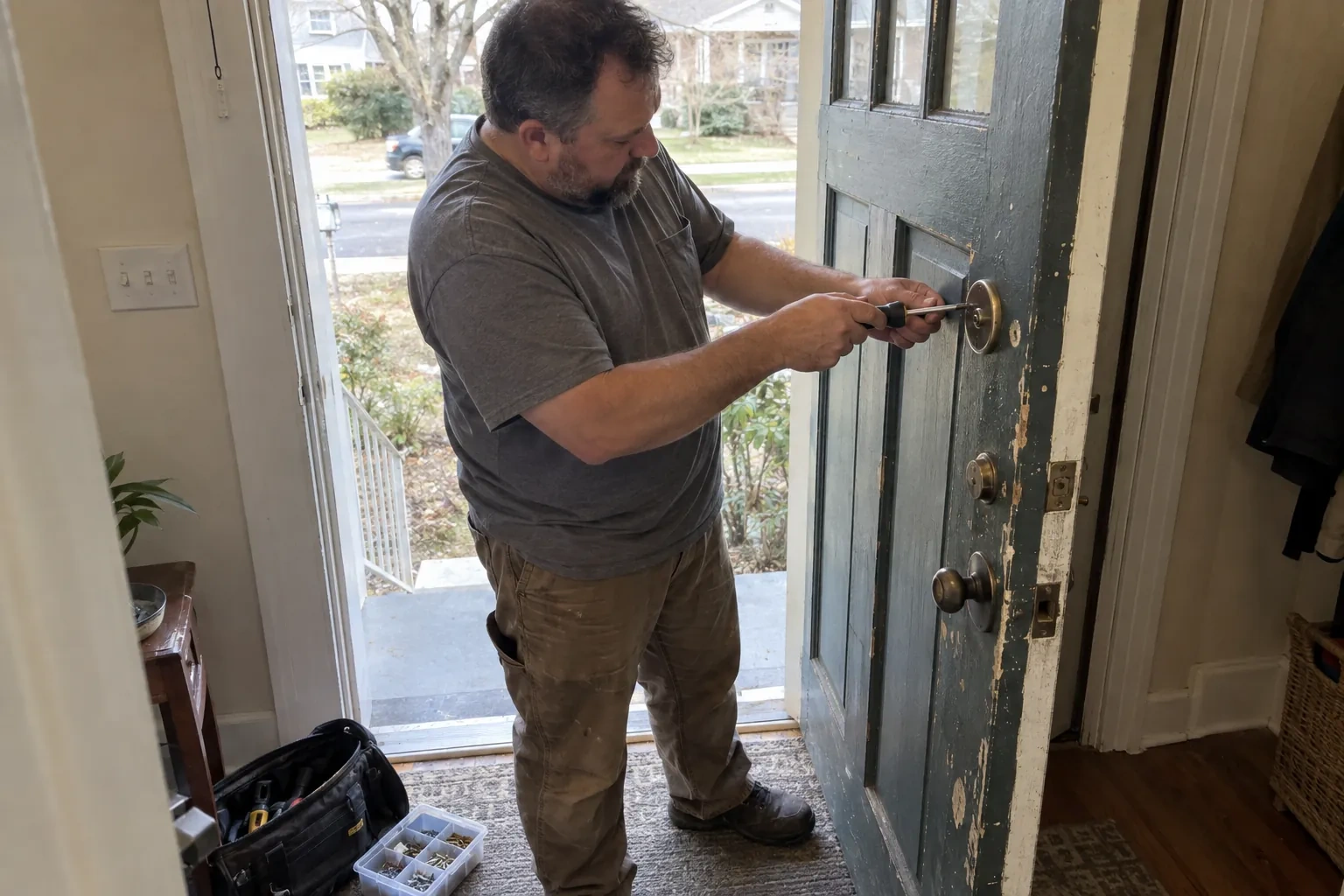
The locksmith first watches the gate or door move and checks the hardware fitted to it, then works out whether the issue sits in the lock, the closer, the hinges or the alignment of the frame itself. Whatever combination is found, the relevant piece is adjusted, rekeyed or replaced, and the whole assembly is cycled repeatedly afterward to confirm it closes, latches and locks the same way every time. Any keys involved are cut and tested before the visit is considered complete.
Does this service cover the gate itself, or only the lock?
Both, where the two are connected, which on a gate they usually are. A locksmith working on a gate lock also looks at the hinges, the post and the closer, since a lock rarely fails on its own when the real cause is a sagging gate or a post that has shifted. Work that goes beyond hardware the locksmith carries, such as rebuilding a rotted post or a damaged fence panel, is flagged so it can be handled by whoever normally does that kind of repair.
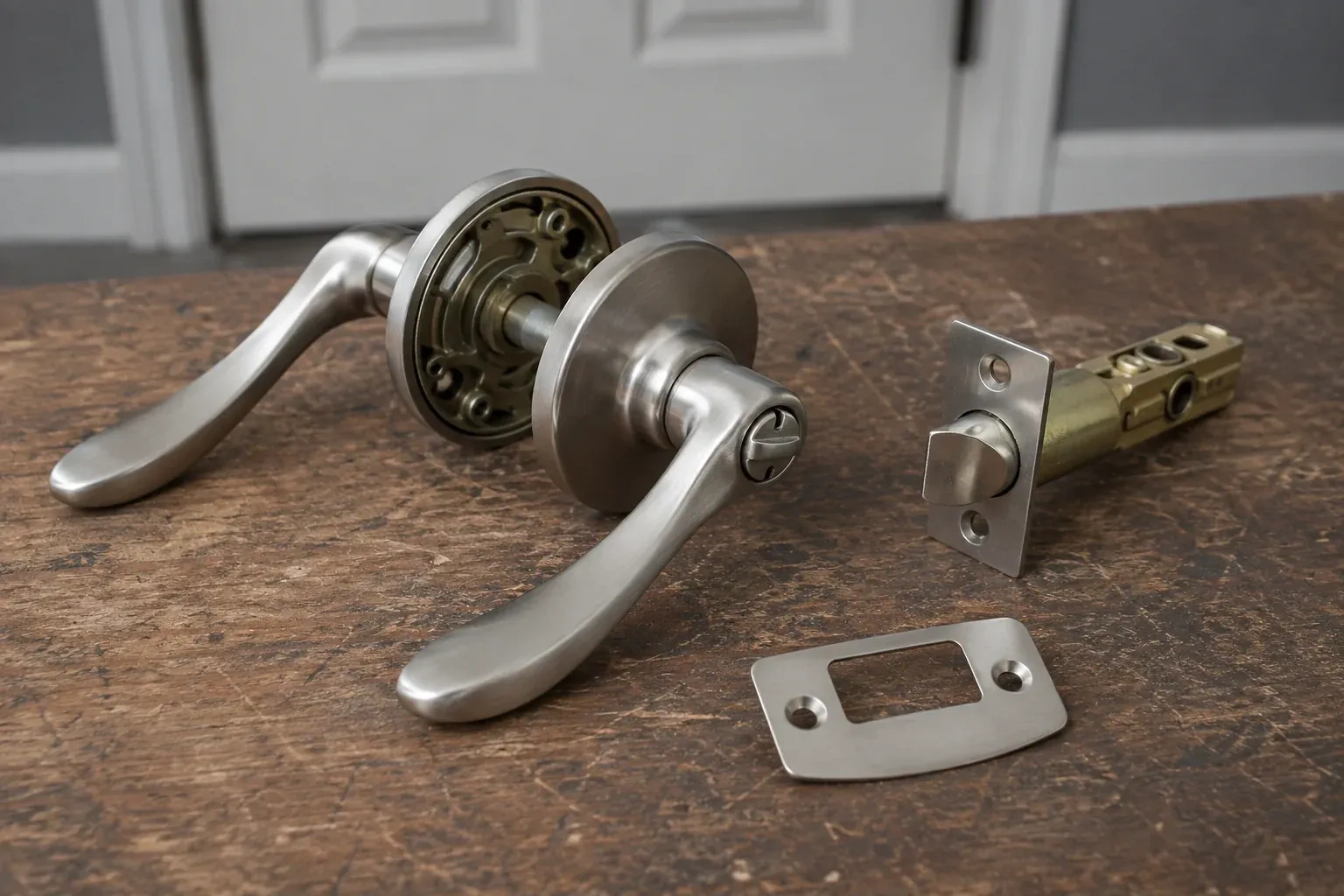
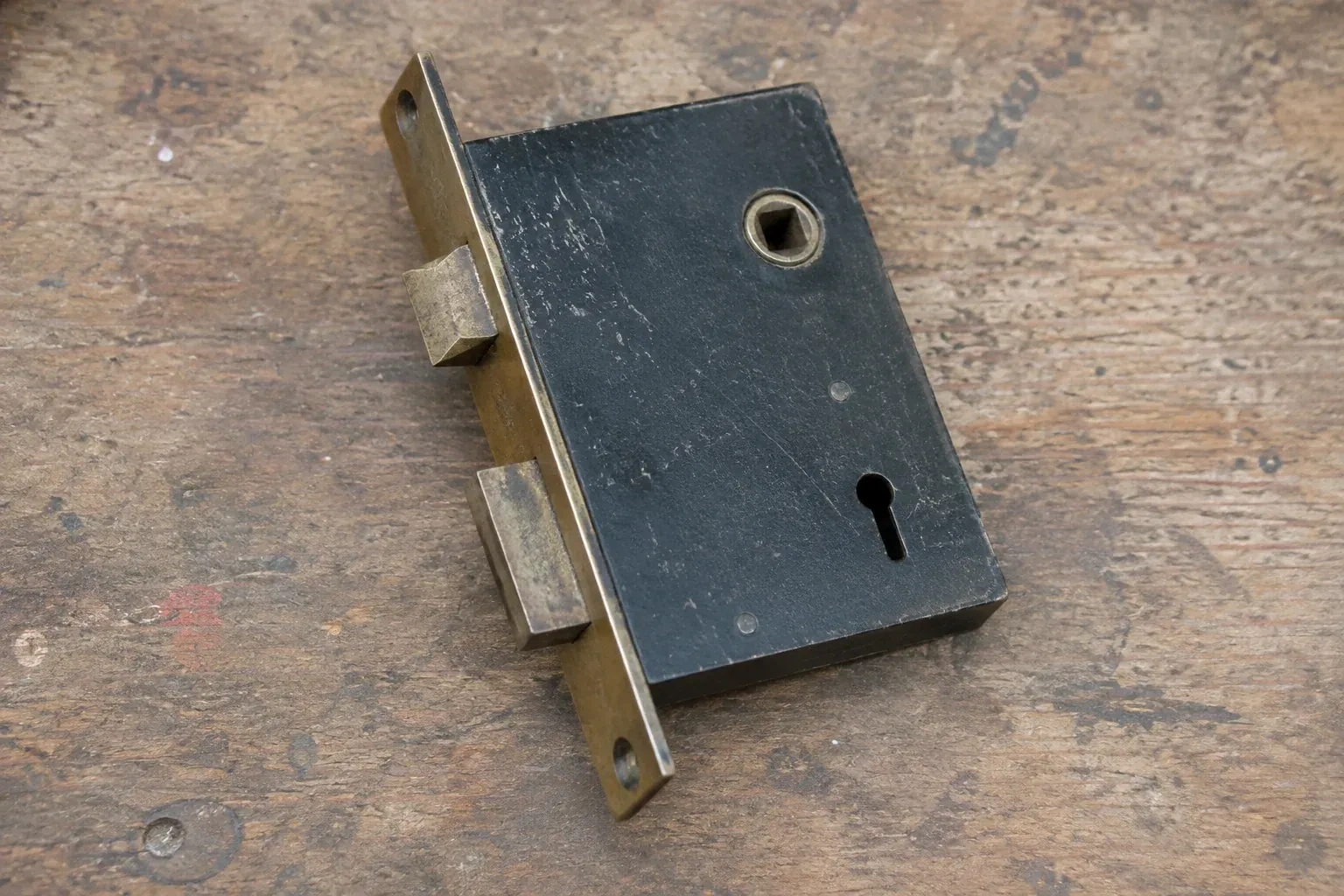
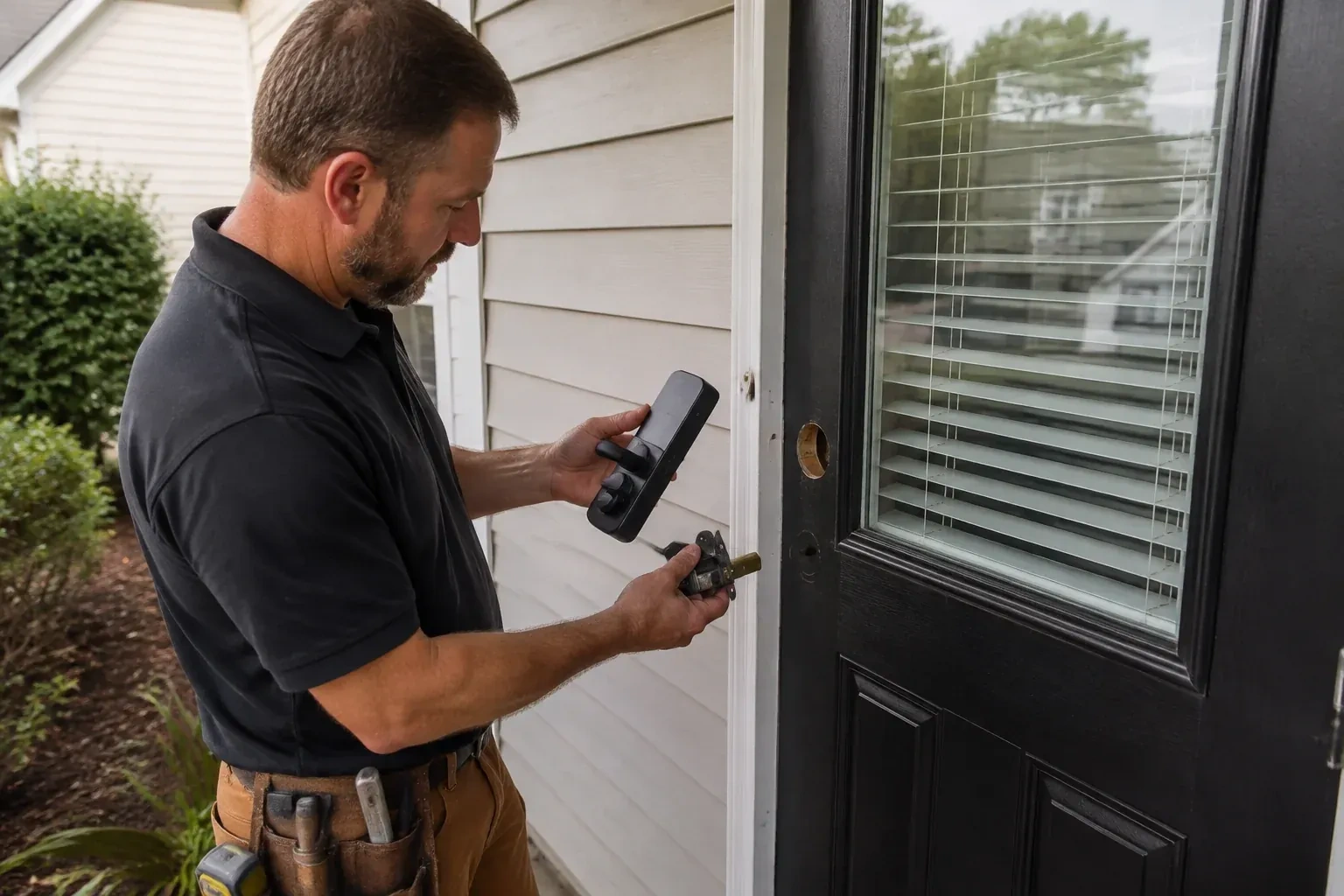
Gate & Building Entry Locks near you
Toronto, Ontario
Old Mill information
- Town
- Old Mill, Toronto, Ontario
- In business
- 16 years
- Hours
- Open 24/7 · nights, weekends and holidays, same fees
- Phone
- (289) 804-7704
- Visits
- On-site assessment preferred. Request a visit or call.
What the census means at the door
58%
Older homes. About 58% of homes in Toronto were built in 1980 or earlier, according to the 2021 Census.
Older homes tend to have had many hands on their doors: owners, tenants, tradespeople, family. A locksmith visiting such a house pays attention to who holds keys now, and rekeying or a keyed-alike set often matters more than any new hardware.
23%
Single-detached houses make up about 23% of homes in Toronto (2021 Census).
Shared entrances mean fobs, intercoms and buzzers alongside conventional locks. A locksmith can service the mechanical side of those doors and advise on how the fob system and the cylinder work together when management asks.
Nearby
Open 24/7
Request a visit
The gate to the side yard used to close with a satisfying click.
Call now · open 24/7(289) 804-7704- On-site assessment preferred
- Same fees day, night or weekend
- 16 years in business