Emergency Lockouts · Chestnut Hills
Broken Key Extraction in Chestnut Hills
You were locking up on the way out when the key broke in the lock. Now the door is unlocked, a piece of key is jammed in the cylinder, and you were already running late for work.
Call now · open 24/7(289) 804-7704In plain words
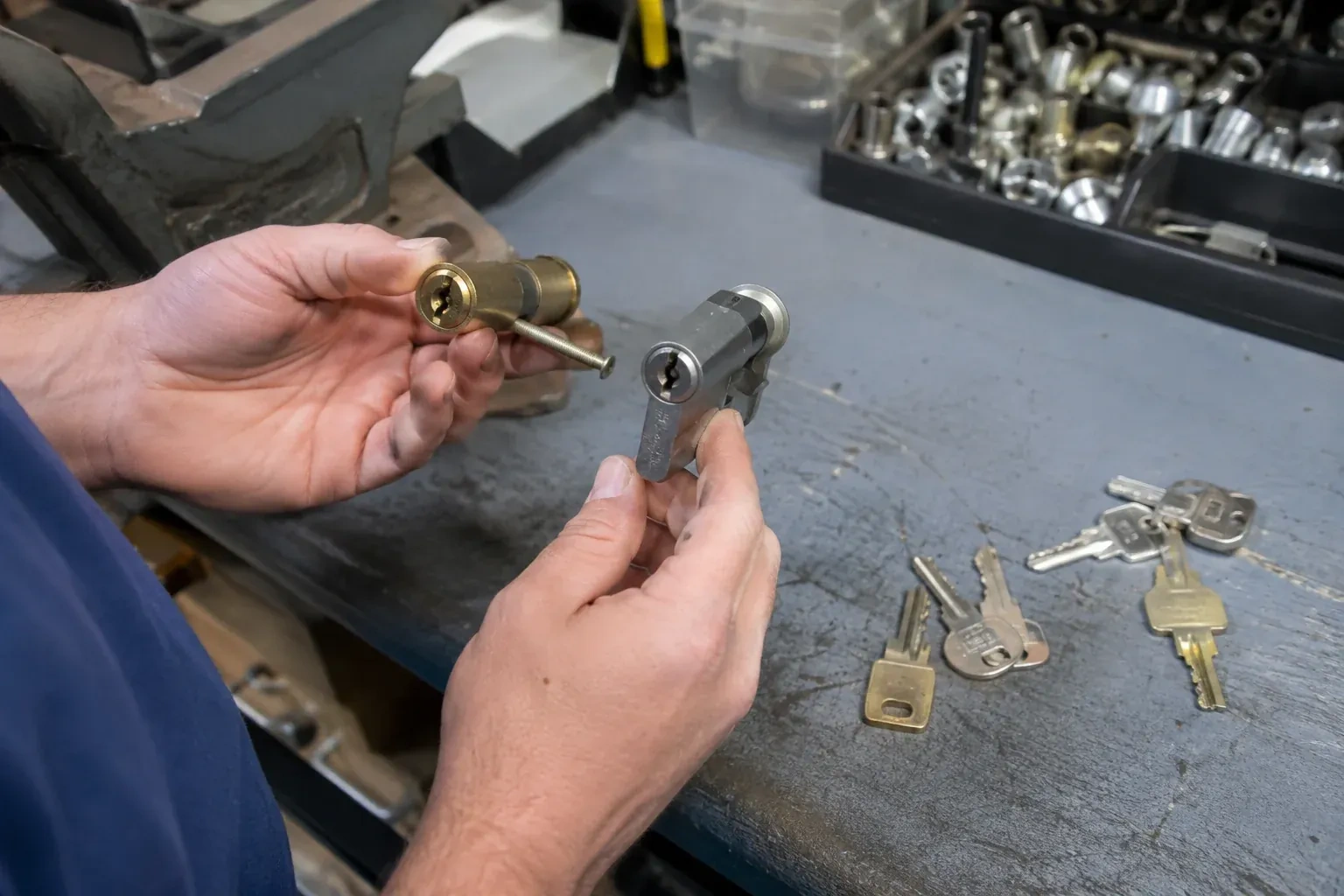
The tools are simple and precise. A hook extractor is a thin strip of spring steel with a barb at the tip; it slides along the groove of the keyway above or below the fragment, snags one of the cuts, and walks it out. A spiral extractor works like a tiny screw, threading into the ridges of the cuts and gripping as it turns. Fine-tipped extractor pliers handle a piece that shows above the face. A tension tool brings a turned plug back to rest. None of these push inward, which is the whole point: the piece comes out the way it went in and the cylinder stays whole.
How the visit goesOvernight the deadbolt froze, and this morning the key would only turn partway. One more push and it sheared off flush with the face of the cylinder. There is nothing left to grip, and the cold is not helping.
Broken Key Extraction · Chestnut Hills
How the visit goes
- 1
How the piece is sitting
The first look is at the fragment itself, without touching it. Does any of the blade show above the cylinder face, or is it flush or deeper still? Is the plug sitting at its normal rest position, or did it stop partway round when the key gave way? A protruding piece in a resting plug is the simplest case. A fragment past the shear line in a rotated plug means the pins are holding it, and the plug has to be brought back before anything will slide. Reading this correctly decides which extractor comes out of the case and spares the keyway from needless probing.
- 2
Thawing first on a frozen lock
A cylinder that broke a key because it was frozen needs the ice dealt with before the fragment will move. The locksmith works lock de-icer into the keyway, or holds gentle heat near the cylinder, until the ice inside liquefies and the plug loosens. Boiling water from the kettle stays indoors: it refreezes inside the keyway and can split a cold cylinder. With the plug free and at rest, the extraction proceeds as normal. Afterwards the cylinder is dried thoroughly and given a water-repelling dry lubricant rather than one that traps moisture, so the same morning is far less likely to repeat.
- 3
Habits that keep keys in one piece
A few small changes stop most repeat breaks. Push the key fully home before turning, and turn from the bow with a level hand, never with pliers or from the tip. Keep the house key off box-cutting and ice-scraping duty; every bend fatigues the blade at its narrowest cut. Replace a key the moment it shows a kink, a crack line or rounded cuts, and cut the replacement from code or a crisp original. Keep the ring light. If the lock itself starts to stiffen, that is the cue to lubricate or call, because a stiff lock is the one that breaks keys.
In the van
- Vehicle key blades and chip shells
- Fine-jawed extractor pliers
- Compressed air for the keyway
- Plug follower and cap tool
- Manufacturer-approved cylinder lubricant
What affects the quote
- 1
Removing the cylinder to free it
A deep or bound fragment may need the cylinder taken off the door and the plug pushed out from behind on the bench. That disassembly and reassembly is quoted on its own.
- 2
Locked or unlocked door
If the door is locked, the extraction is followed by opening it, which is quoted as its own part of the visit. If the door is open, the work is extraction and securing.
- 3
Where the key broke
A house deadbolt, a knob, an older mortise case, a padlock, a car door and a vehicle ignition each call for different access and different care, and the quote follows the hardware.
Same fees day, night or weekend.
Broken Key Extraction: questions
Do you need my spare key?
It helps if there is one. A crisp spare is the ideal pattern for the replacement, better than the broken halves and far better than a worn copy. It also lets the locksmith test the cylinder the moment the fragment is out, which shows whether the pins and springs are sound. If the spare is itself bent or worn, mention that too; it is a candidate for retirement rather than a pattern.
Will extracting the piece damage my lock?
Extractor tools grip the key, not the lock, and are meant to leave the pins, springs and plug as they were: hooks and spirals ride in the keyway grooves beside the fragment and draw it out the way the key travels. It is not certain, though; a deeply lodged fragment or a prior failure can still leave a lock, especially a vehicle cylinder, needing further work. Damage most often comes from what happens before the locksmith arrives, mainly tweezers, screwdrivers and glue, which is why leaving the keyway alone matters.
My car key snapped in the door. Is that a locksmith job?
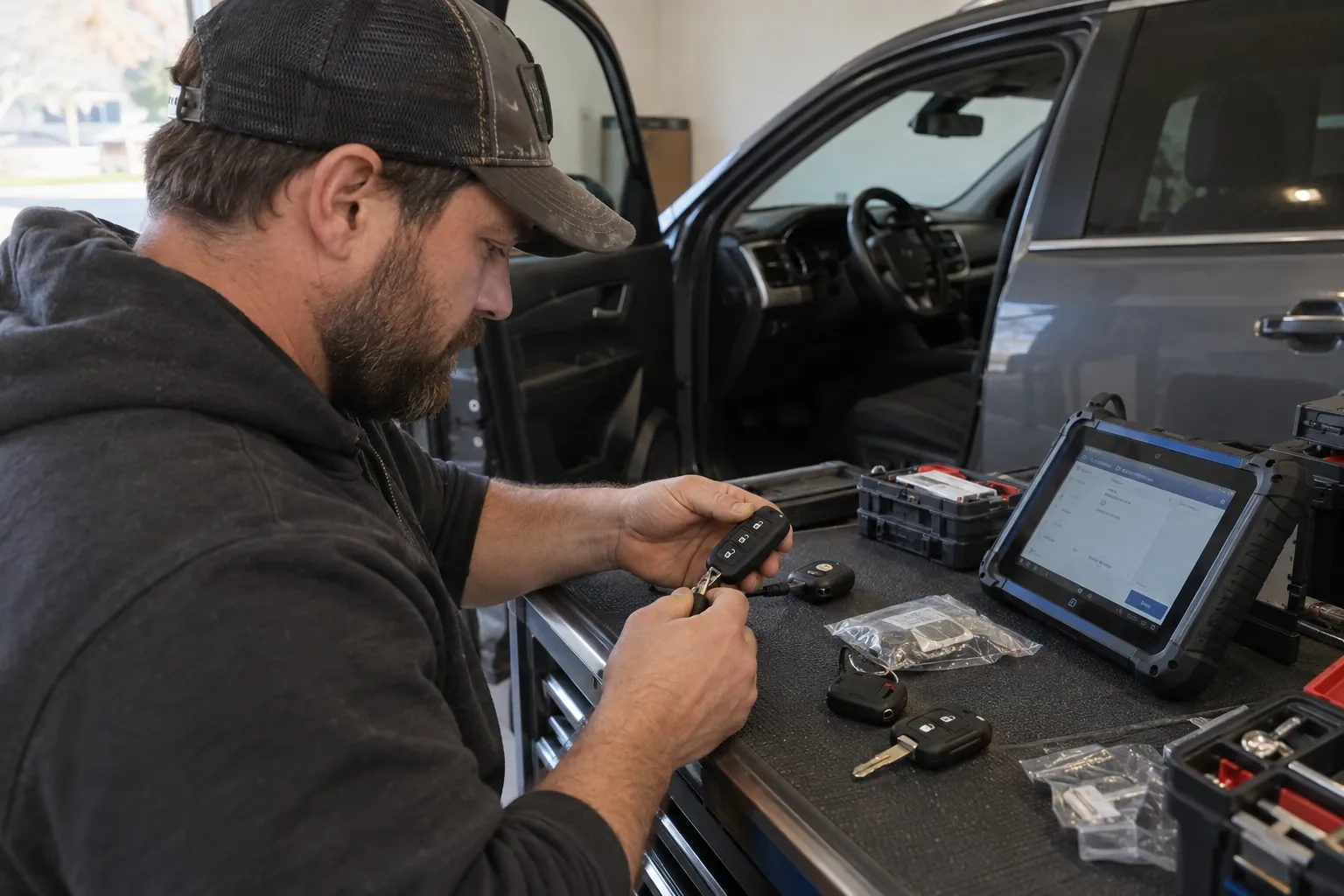
Yes. Vehicle door locks and ignitions use wafer cylinders that respond to the same extractor tools. Once the blade is out, the plastic head you are holding, which carries the transponder chip and any remote buttons, can usually take a freshly cut blade so the car keeps recognizing it. The ignition is checked as well, since a broken key sometimes disturbs the wafers.
Lockout Services
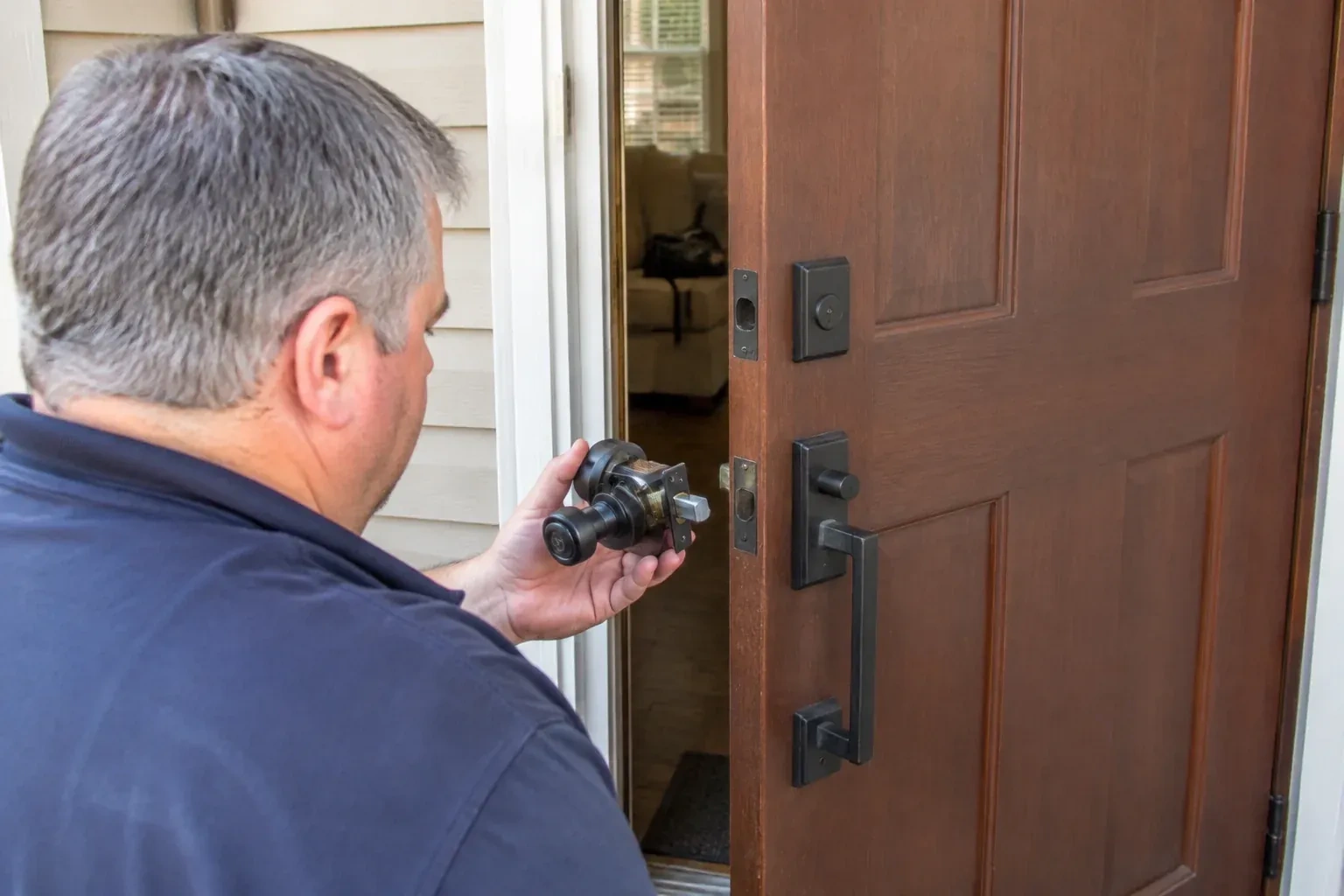 EmergencyHome Lockout ServiceThe key slides in and turns all the way round, but the bolt stays put.
 EmergencyBusiness Lockout ServiceIt is ten to nine, three staff are on the sidewalk with their coffees, and the key that has opened the glass front door for six…
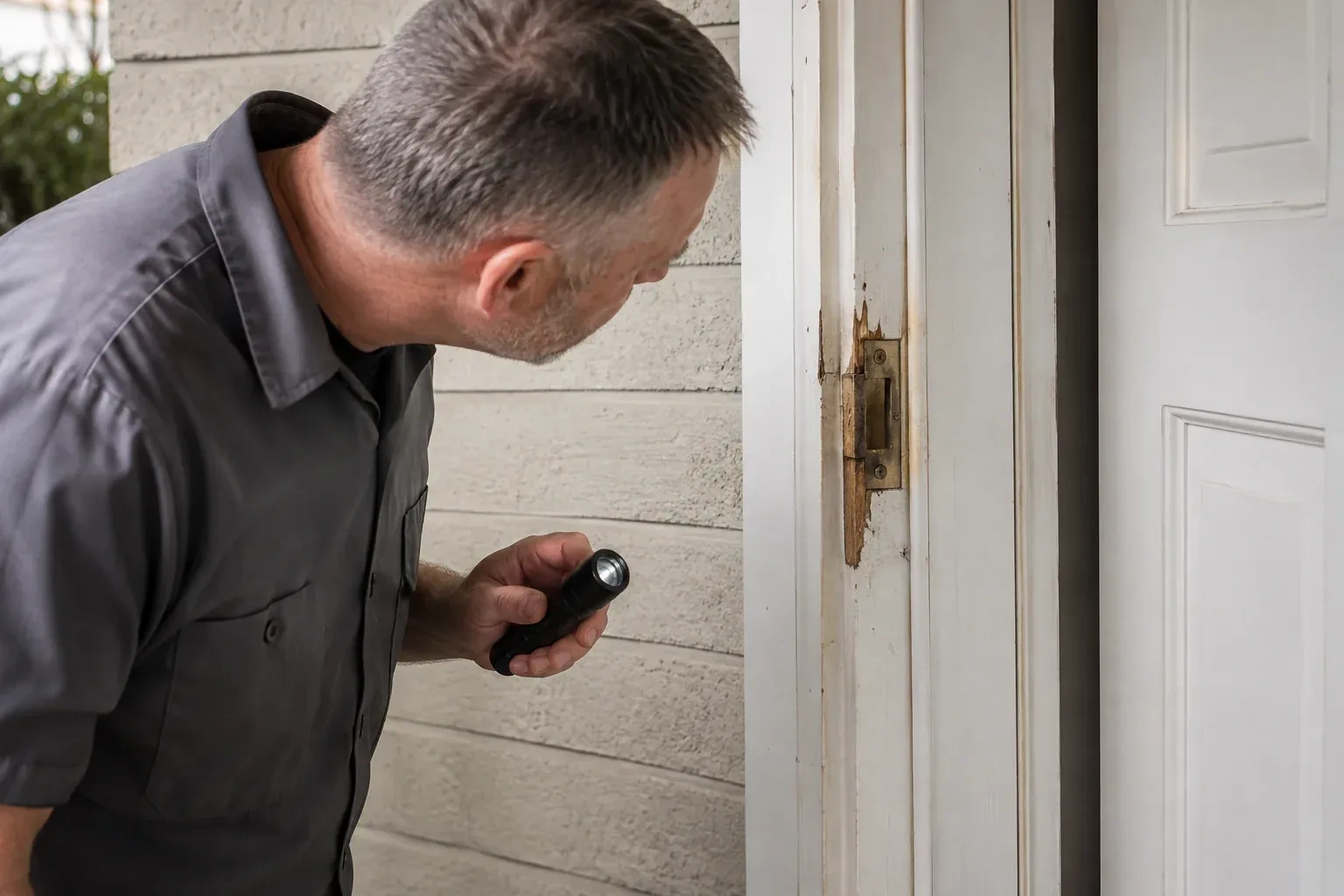 EmergencyBreak-In Damage Lock RepairThe shop's aluminum door has a bent meeting stile and the hookbolt is jammed half out.
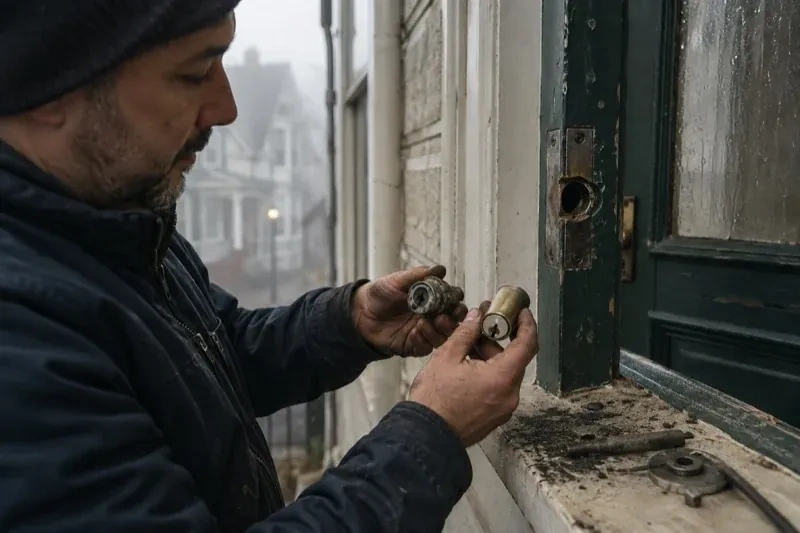 EmergencySeized & Jammed Lock OpeningYou are inside, the deadbolt is thrown, and the thumb-turn will not budge.
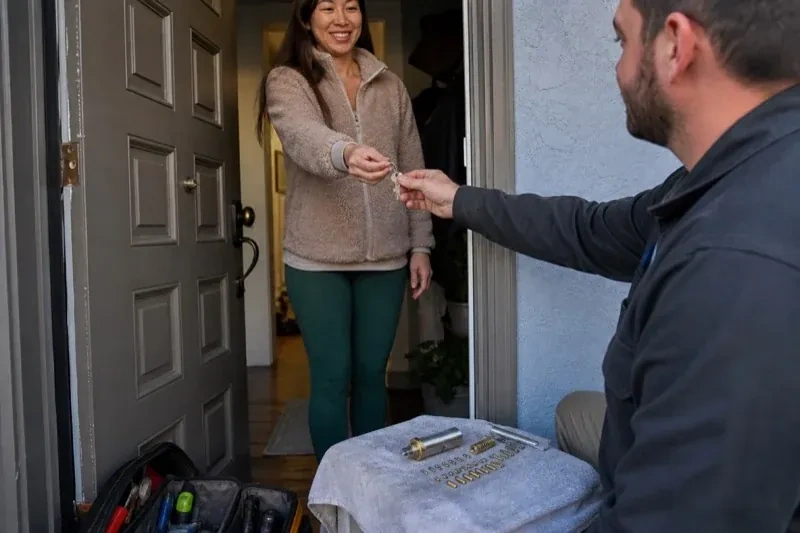 EmergencyLost Keys — Same-Visit RekeyThe spare under the planter by the side door is gone.
Broken Key Extraction near you
Toronto, Ontario
Chestnut Hills information
- Town
- Chestnut Hills, Toronto, Ontario
- In business
- 16 years
- Hours
- Open 24/7 · nights, weekends and holidays, same fees
- Phone
- (289) 804-7704
- Visits
- On-site assessment preferred. Request a visit or call.
What the census means at the door
58%
Older homes. About 58% of homes in Toronto were built in 1980 or earlier, according to the 2021 Census.
Where housing is mostly older, many entries still have only a knob lock and no deadbolt at all. Adding one is a straightforward job on a solid wood door, and it is the single upgrade that changes most for a house of this kind.
23%
Single-detached houses make up about 23% of homes in Toronto (2021 Census).
In buildings, the suite door often has a closer and a heavy frame, and the deadbolt sits in a metal or metal-clad door. A locksmith fitting or rekeying one brings the tools and cylinders that suit that construction rather than a wooden house door.
Open 24/7
Request a visit
You were locking up on the way out when the key broke in the lock.
Call now · open 24/7(289) 804-7704- On-site assessment preferred
- Same fees day, night or weekend
- 16 years in business